• Facebook
  • Instagram
MAKE YOUR APPOINTMENT: 617.472.7111
Vallen Allergy & Asthma
  • Home
  • About
    • What To Expect
    • List of Antihistamines
    • Educational Links
  • Our Providers
  • New Patient Information
    • Request An Appointment
    • Insurance Information
    • Medical Record Release
    • School Medication Form
    • What to bring to your appointment
  • Conditions
    • General Allergy Info
    • Drug Allergies
    • Asthma
    • Bee Sting Treatment
    • Food Allergies
    • Eczema/Atopic Dermatitis
    • Chronic Sinusitis
    • Chronic Hives
    • Patch Testing
  • News
  • Contact
  • Menu Menu

Curb Spring Allergy Symptoms With the Right Tools and Preparation

March 15, 2026/in News

how to reduce spring allergy symptoms pollen prevention tipsLonger days and warmer temperatures are welcome signs of spring. But for many people, spring also brings sneezing, congestion, and itchy eyes. If you’ve ever wondered, “How can I prevent spring allergy symptoms before they start?” you’re not alone. Tree pollen season begins earlier than many expect, and preparation is key to staying ahead of symptoms.

This guide explains how to reduce spring allergy symptoms using proven strategies, when to start treatment, and when to see an allergist for personalized care.

Why Spring Allergies Start Early

Spring allergies are most commonly triggered by tree pollen. Trees release pollen into the air as part of their reproductive cycle, and this pollen can travel for miles.

According to the American College of Allergy, Asthma and Immunology, timing matters. Some regions in the United States begin seeing tree pollen as early as late winter or early March. Climate trends, including warmer winters, are also causing allergy seasons to start earlier and last longer.

As allergist Cherie Zachary, MD explains, symptoms depend on your specific triggers. If you are allergic to tree pollen, you may experience symptoms early in the season, while others may not feel symptoms until grass or weed pollen emerges later.

Common Spring Allergy Symptoms

Spring allergies can affect both the upper and lower airways. Symptoms may include:

  • Sneezing
  • Nasal congestion
  • Runny nose
  • Itchy or watery eyes
  • Coughing or wheezing
  • Fatigue

These symptoms can interfere with sleep, productivity, and overall quality of life. In some cases, untreated allergies can worsen asthma symptoms.

The American Academy of Allergy, Asthma and Immunology notes that allergic rhinitis affects millions of Americans each year and is a leading cause of missed school and work days.

When Should You Start Allergy Medication?

One of the most effective ways to curb spring allergy symptoms is to start treatment early.

Experts recommend beginning allergy medications at least two to four weeks before your typical symptoms begin. Starting early helps reduce the immune system’s response before pollen counts peak.

Common preventive medications include:

  • Oral antihistamines
  • Intranasal corticosteroid sprays
  • Antihistamine eye drops

A review published in The Journal of Allergy and Clinical Immunology supports early use of intranasal corticosteroids as one of the most effective first-line treatments for seasonal allergies.

If you are unsure when your allergy season begins, an allergist can help identify patterns and guide timing.

How to Reduce Pollen Exposure at Home

Limiting exposure to pollen is just as important as medication. Even small changes in your daily routine can significantly reduce symptoms.

Keep Windows Closed

While fresh air is appealing, open windows allow pollen to enter your home and car. Use air conditioning instead.

Use High Efficiency Air Filters

HEPA filters can help remove airborne allergens and improve indoor air quality.

Shower After Outdoor Activities

Pollen can stick to your skin, hair, and clothing. Showering and changing clothes after being outside prevents pollen from spreading indoors.

Clean Frequently

Vacuum with a HEPA filter and dust regularly to remove allergens from surfaces.

Monitor Pollen Counts

Check daily pollen forecasts and limit outdoor activities when counts are high.

For more practical tips and patient resources, visit New England Food Allergy Treatment Center or explore guidance at Vallen’s Allergy and Asthma.

You can also learn more here:

  • www.nefoodallergy.org
  • www.vallenallergyasthma.com

The Role of Allergy Testing

Not all spring allergies are the same. Identifying your specific triggers is essential for effective treatment.

Allergy testing can determine whether you are sensitive to:

  • Tree pollen
  • Grass pollen
  • Weed pollen
  • Mold spores

Testing may include skin prick tests or blood tests. Knowing your triggers allows for targeted treatment and better symptom control.

The National Institutes of Health emphasizes that accurate diagnosis is the foundation of effective allergy management.

When Over the Counter Treatments Are Not Enough

Many people find relief with over the counter medications. However, if symptoms persist or interfere with daily life, it may be time to see an allergist.

Signs you need specialist care include:

  • Symptoms that last several weeks or months
  • Poor response to over the counter medications
  • Frequent sinus infections
  • Worsening asthma symptoms

A board certified allergist can create a personalized treatment plan that may include prescription medications or advanced therapies.

To schedule an evaluation or learn more about treatment options, visit www.vallenallergyasthma.com or connect with specialists at www.nefoodallergy.org.

Long Term Relief With Allergen Immunotherapy

For patients seeking lasting relief, allergen immunotherapy is a highly effective option.

Immunotherapy works by gradually exposing the immune system to small amounts of allergens, helping the body build tolerance over time. It is available in two forms:

  • Allergy shots
  • Sublingual tablets

According to the American Academy of Allergy, Asthma and Immunology, immunotherapy can significantly reduce symptoms and decrease the need for medications. It may also prevent the development of asthma in some patients.

Unlike medications that only treat symptoms, immunotherapy addresses the underlying cause of allergies.

How Climate Change Is Affecting Allergy Season

Research shows that rising temperatures and increased carbon dioxide levels are contributing to longer and more intense pollen seasons.

A study published in Proceedings of the National Academy of Sciences found that pollen seasons in North America are starting earlier and lasting longer than in previous decades.

This means patients may need to:

  • Start medications earlier
  • Monitor pollen counts more closely
  • Adjust treatment plans over time

Understanding these trends can help you stay proactive rather than reactive.

Practical Daily Tips to Control Symptoms

Small daily habits can make a big difference during allergy season:

  • Wear sunglasses outdoors to protect your eyes
  • Avoid outdoor activities in the early morning when pollen counts peak
  • Keep pets clean if they spend time outside
  • Dry clothes indoors instead of on outdoor lines
  • Use saline nasal rinses to clear allergens from nasal passages

Consistency with these habits can reduce symptom severity and improve comfort.

Take Control of Spring Allergies

Spring allergies do not have to disrupt your life. With early planning, the right medications, and environmental controls, you can significantly reduce symptoms.

If your symptoms are not well controlled, working with an allergist can help you find long term solutions tailored to your needs.

For expert care and personalized treatment plans, visit:
  • www.vallenallergyasthma.com
  • www.nefoodallergy.org
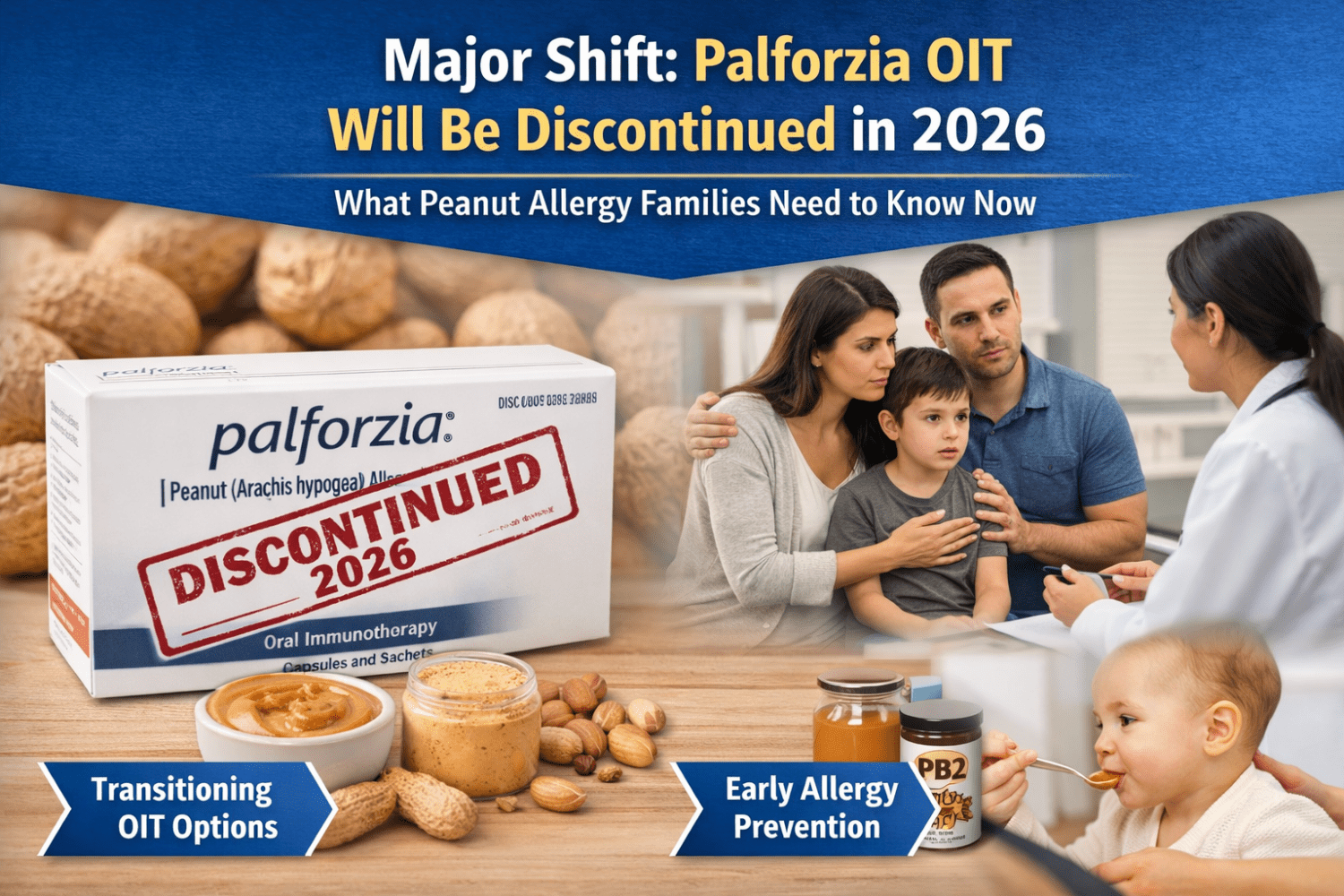
Major Shift Palforzia OIT Will Be Discontinued in 2026

Major Shift: Palforzia OIT Will Be Discontinued in 2026

March 1, 2026/in News

What Peanut Allergy Families Need to Know Now

Major Shift Palforzia OIT Will Be Discontinued in 2026If your child is receiving Palforzia for peanut allergy, you may be asking: What happens when Palforzia is discontinued? What are our options? Is oral immunotherapy still possible?

These are important and timely questions. Palforzia, the first FDA approved oral immunotherapy for peanut allergy, will be phased out in July 2026. For many families, this news creates uncertainty. However, there are safe, evidence based pathways forward, and the science behind peanut allergy treatment and prevention continues to evolve.

This article explains what the discontinuation means, how patients can safely transition, and what new research says about early peanut introduction and allergy prevention.

What Is Palforzia and Why Is It Being Discontinued?

Palforzia is a standardized peanut allergen powder approved by the U.S. Food and Drug Administration in 2020 for children ages 4 to 17 with confirmed peanut allergy. It was the first FDA approved oral immunotherapy designed to reduce the risk of severe allergic reactions from accidental peanut exposure.

Palforzia works by gradually exposing the immune system to small, controlled amounts of peanut protein over time. This process helps build tolerance and lowers the risk of a severe reaction after accidental ingestion. It does not cure peanut allergy, but it can significantly reduce risk.

Although Palforzia marked a milestone in food allergy treatment, the manufacturer has announced it will be discontinued in July 2026. While this change affects product availability, it does not mean that oral immunotherapy is no longer an option. In fact, many allergists have long used carefully measured store bought peanut products in supervised oral immunotherapy protocols.

I Am on Palforzia. What Should I Do?

If your child is currently on Palforzia, do not stop treatment without speaking to your allergist. Abrupt discontinuation can increase risk of losing tolerance.

Many patients can transition from Palforzia to a measured store bought peanut product such as peanut butter or powdered peanut products like PB2 under physician supervision. Clinical research has demonstrated that peanut oral immunotherapy using peanut flour or peanut butter can effectively maintain desensitization when dosing is consistent and medically supervised.

The New England Food Allergy Treatment Center welcomes peanut allergic patients who need guidance transitioning from Palforzia. Our team can help design an individualized plan to maintain protection using commercially available peanut products while ensuring safety and ongoing monitoring.

Published data from landmark studies such as the PALISADE trial, published in The New England Journal of Medicine, demonstrated that peanut oral immunotherapy significantly increased the amount of peanut protein tolerated by allergic children compared to placebo. These findings continue to guide clinical practice even as branded formulations evolve.

Is Oral Immunotherapy Still Supported by Research?

Yes. Oral immunotherapy remains supported by strong evidence. The PALISADE study showed that 67 percent of treated participants tolerated at least 600 mg of peanut protein compared to 4 percent in the placebo group.

Professional organizations such as the American Academy of Allergy, Asthma & Immunology recognize oral immunotherapy as a treatment option when delivered in experienced medical settings. Ongoing research continues to refine dosing, safety protocols, and long term maintenance strategies.

Palforzia’s discontinuation does not reverse the scientific progress made in peanut immunotherapy. Instead, it highlights the need for experienced allergy specialists to guide families through individualized treatment plans.

New Prevention Insights: Early Feeding Matters

While treatment options evolve, prevention science continues to advance.

Groundbreaking research from the Learning Early About Peanut Allergy trial demonstrated that early peanut introduction in high risk infants reduced the development of peanut allergy by up to 81 percent. These findings led the National Institute of Allergy and Infectious Diseases to issue guidelines recommending peanut introduction around 4 to 6 months of age in appropriate infants.

Since those guideline changes, modeling studies estimate that tens of thousands of peanut allergy cases in the United States have been prevented.

Emerging international research continues to reinforce this approach. Recent Canadian data in 2026 reported that infants introduced to allergenic foods such as peanuts, eggs, and fish between 4 and 6 months were significantly less likely to develop food allergies later in childhood. These findings align with previous evidence that delaying allergenic foods may increase risk rather than reduce it.

Parents should consult their pediatrician or allergist before introducing peanut if their infant has severe eczema or existing food allergy. However, for most infants, early introduction is now considered protective.

What Does This Mean for Families Today?

If you are currently on Palforzia:

  • Do not discontinue abruptly
    • Schedule a consultation with your allergist
    • Discuss transitioning to a supervised peanut product protocol

If you have a newly diagnosed peanut allergy:

  • Oral immunotherapy remains a viable treatment option
    • Individualized protocols using peanut products may be available
    • Shared decision making with an experienced allergist is essential

If you have an infant:

  • Ask your pediatrician about early allergen introduction
    • Consider peanut introduction around 4 to 6 months if appropriate

The discontinuation of Palforzia marks the end of a chapter in food allergy treatment, but not the end of progress. Its legacy continues to inform safer and more accessible oral immunotherapy strategies. At the same time, prevention efforts through early feeding are already reshaping the future of food allergy in children.

For families navigating peanut allergy treatment or prevention, evidence based guidance from experienced specialists remains the most important factor in achieving long term safety and peace of mind.

If your child is transitioning off Palforzia or you are exploring peanut oral immunotherapy options, the New England Food Allergy Treatment Center is available to provide personalized care and support during this transition.

Working Hours

Monday 9:00am - 5:00pm
(Injections 9:30am - 11:45am & 1:00pm - 4:30pm)
Tuesday 9:00am - 4:30pm
(Injections 1:00pm - 4:30pm)
Wednesday 9:00am - 7:30pm
(Injections 1:00pm - 6:45pm)
Thursday 9:00am - 4:30pm
(Injections 9:00am - 11:45am)
Friday 9:30am - 12:30pm
Saturday CLOSED
Sunday CLOSED

Vallen Allergy & Asthma, PC, is a leading allergy and asthma specialty practice in Quincy, MA.

For over 32 years, the office has been serving children and adults in southern and southeastern Massachusetts.

ABOUT VALLEN ALLERGY & ASTHMA

700 Congress St, Suite 301

Quincy, MA 02169

Phone : 617.472.7111
Fax : 617.376.2344

Opening Hours

Monday 9:00 am – 5:00 pm
Tuesday 9:00 am – 4:30 pm
Wednesday 9:00 am – 7:30 pm
Thursday 9:00 am – 4:30 pm
Friday 9:30 am – 12:30 pm
Saturday CLOSED
Sunday CLOSED
Copyright © 2025 - Vallen Allergy & Asthma CenterPatient PolicyPrivacy Policy
  • Facebook
  • Instagram
Scroll to top