• Facebook
  • Instagram
MAKE YOUR APPOINTMENT: 617.472.7111
Vallen Allergy & Asthma
  • Home
  • About
    • What To Expect
    • List of Antihistamines
    • Educational Links
  • Our Providers
  • New Patient Information
    • Request An Appointment
    • Insurance Information
    • Medical Record Release
    • School Medication Form
    • What to bring to your appointment
  • Conditions
    • General Allergy Info
    • Drug Allergies
    • Asthma
    • Bee Sting Treatment
    • Food Allergies
    • Eczema/Atopic Dermatitis
    • Chronic Sinusitis
    • Chronic Hives
    • Patch Testing
  • News
  • Contact
  • Menu Menu
Spring allergy relief tips in action

Tips for Managing Spring Allergies: How to Reduce Symptoms and Find Relief

April 15, 2026/in News

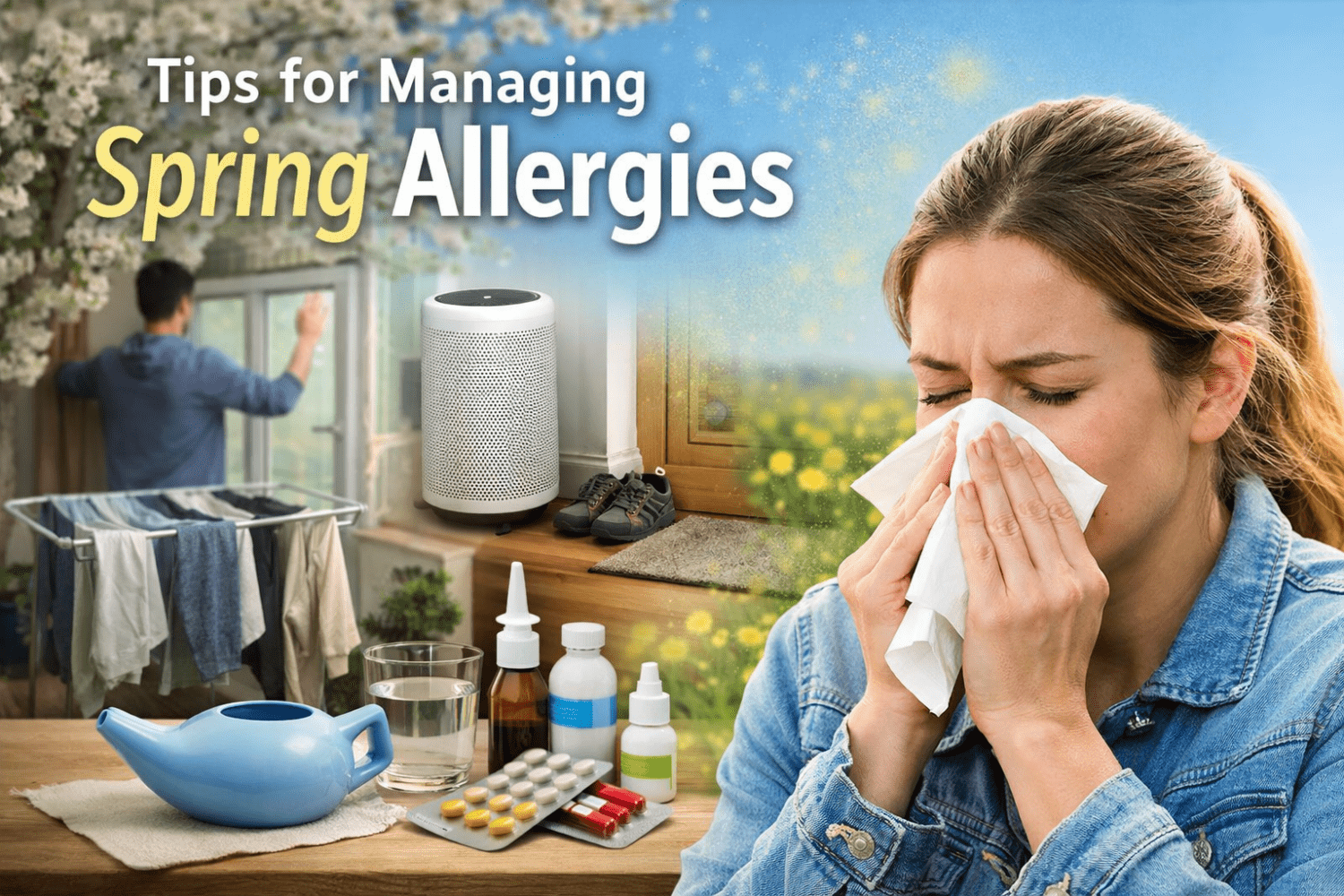
Spring allergy relief tips in actionSpring brings warmer weather, blooming flowers, and longer days. But for millions of people, it also signals the start of seasonal allergy symptoms. If you find yourself sneezing, congested, or dealing with itchy eyes, you are not alone. According to the Centers for Disease Control and Prevention, allergies affect roughly one in three adults in the United States, making them one of the most common chronic conditions.

This guide answers a common patient question: What are the best tips for managing spring allergies and reducing symptoms? Below, you will find practical, evidence based strategies to help you feel better throughout allergy season.

What Exactly Are Spring Allergies?

Spring allergies, also known as seasonal allergic rhinitis, occur when your immune system overreacts to airborne allergens such as pollen. Trees, grasses, and flowers release pollen into the air as part of their reproductive cycle, and your body may mistakenly treat these particles as harmful invaders.

When exposed, your immune system releases histamines, leading to common symptoms such as:

  • Sneezing
  • Runny or congested nose
  • Itchy or watery eyes
  • Scratchy throat
  • Skin rashes in some cases

The American College of Allergy, Asthma & Immunology explains that pollen is one of the most common seasonal allergy triggers, especially during the spring months when plant growth peaks.

How Long Do Spring Allergies Last?

Spring allergies typically begin as early as February and can last through early summer. The exact timing depends on your geographic location and local pollen levels.

In many parts of the United States, May is often the most intense month for allergy sufferers because multiple plants are pollinating at the same time. Warmer temperatures and windy conditions can also increase pollen circulation, worsening symptoms.

Why Managing Spring Allergies Matters

Seasonal allergies are more than just a nuisance. They can interfere with sleep, reduce productivity, and impact your overall quality of life. Untreated allergies may also contribute to complications such as sinus infections or worsen asthma symptoms.

The good news is that with the right approach, managing spring allergies is possible through a combination of lifestyle changes and medical treatment.

6 Proven Tips for Managing Spring Allergies

  1. Stay Indoors During Peak Pollen Hours

One of the most effective tips for managing spring allergies is limiting exposure to pollen. Pollen levels are typically highest in the early morning and on dry, windy days.

To reduce symptoms:

  • Check daily pollen forecasts
  • Plan outdoor activities for late afternoon or after rain
  • Keep windows closed during high pollen days

By minimizing exposure, you reduce the amount of allergens entering your body and triggering symptoms.

  1. Dry Your Clothes Indoors

While air drying clothes outdoors may seem appealing, it can worsen allergy symptoms. Fabrics easily collect pollen, which is then brought indoors.

Instead:

  • Use a dryer during peak allergy season
  • Avoid placing bedding or towels outside
  • Change clothes after spending time outdoors

This simple habit can significantly reduce indoor allergen exposure.

  1. Use HEPA Filters to Improve Indoor Air Quality

Indoor allergens such as dust mites, pet dander, and mold can compound seasonal allergies. High Efficiency Particulate Air filters help trap microscopic particles and improve air quality.

Consider:

  • Using a HEPA air purifier in bedrooms and living spaces
  • Choosing vacuums with HEPA filtration
  • Replacing HVAC filters regularly

Cleaner indoor air can make a noticeable difference in symptom control.

  1. Remove Your Shoes at the Door

Pollen can easily be tracked into your home on shoes. Once inside, it settles on floors, carpets, and furniture.

To reduce contamination:

  • Leave shoes at the entrance
  • Encourage guests to do the same
  • Clean floors frequently during allergy season

This practice helps create a low allergen environment indoors.

  1. Try Natural and Supportive Allergy Solutions

Several natural strategies can complement medical treatment and help manage symptoms:

  • Nasal irrigation with saline rinses to flush out pollen
  • Staying hydrated to keep nasal passages moist
  • Eating a balanced diet rich in antioxidants
  • Managing stress, which can impact immune response

These approaches support your body and may reduce symptom severity over time.

  1. Talk to a Healthcare Provider About Medications

If lifestyle changes are not enough, medications can provide effective relief. Common options include:

  • Oral antihistamines
  • Nasal corticosteroid sprays
  • Antihistamine eye drops
  • Nasal antihistamines
  • Oral leukotriene blockers

A healthcare provider can recommend the best treatment plan based on your symptoms and medical history.

For personalized care and long term relief options, consider visiting Vallen Allergy & Asthma or exploring resources from New England Food Allergy Treatment Center.

When to Seek Medical Attention

While most seasonal allergies can be managed at home, you should seek medical care if you experience:

  • Severe or persistent symptoms
  • Difficulty breathing or wheezing
  • Symptoms that interfere with daily life
  • Poor response to over the counter medications

An allergy specialist can perform testing and discuss advanced treatments such as immunotherapy.

Additional Resources and Support

If you are looking for more guidance on managing allergies and improving your quality of life, explore these trusted resources:

  • Visit New England Food Allergy Treatment Center for education and treatment options
  • Learn more or schedule care at Vallen Allergy & Asthma

Both organizations provide expert support, patient education, and personalized care plans to help you manage allergies effectively.

Final Thoughts on Managing Spring Allergies

Spring allergies can be frustrating, but they do not have to control your life. By following these tips for managing spring allergies, you can significantly reduce symptoms and improve your day to day comfort.

Start by limiting pollen exposure, improving indoor air quality, and adopting simple habits like removing shoes and drying clothes indoors. If needed, consult a healthcare provider for medical treatment tailored to your needs.

With the right combination of prevention and care, you can enjoy the beauty of spring without the discomfort of seasonal allergies.

Sources

Centers for Disease Control and Prevention

American College of Allergy, Asthma & Immunology

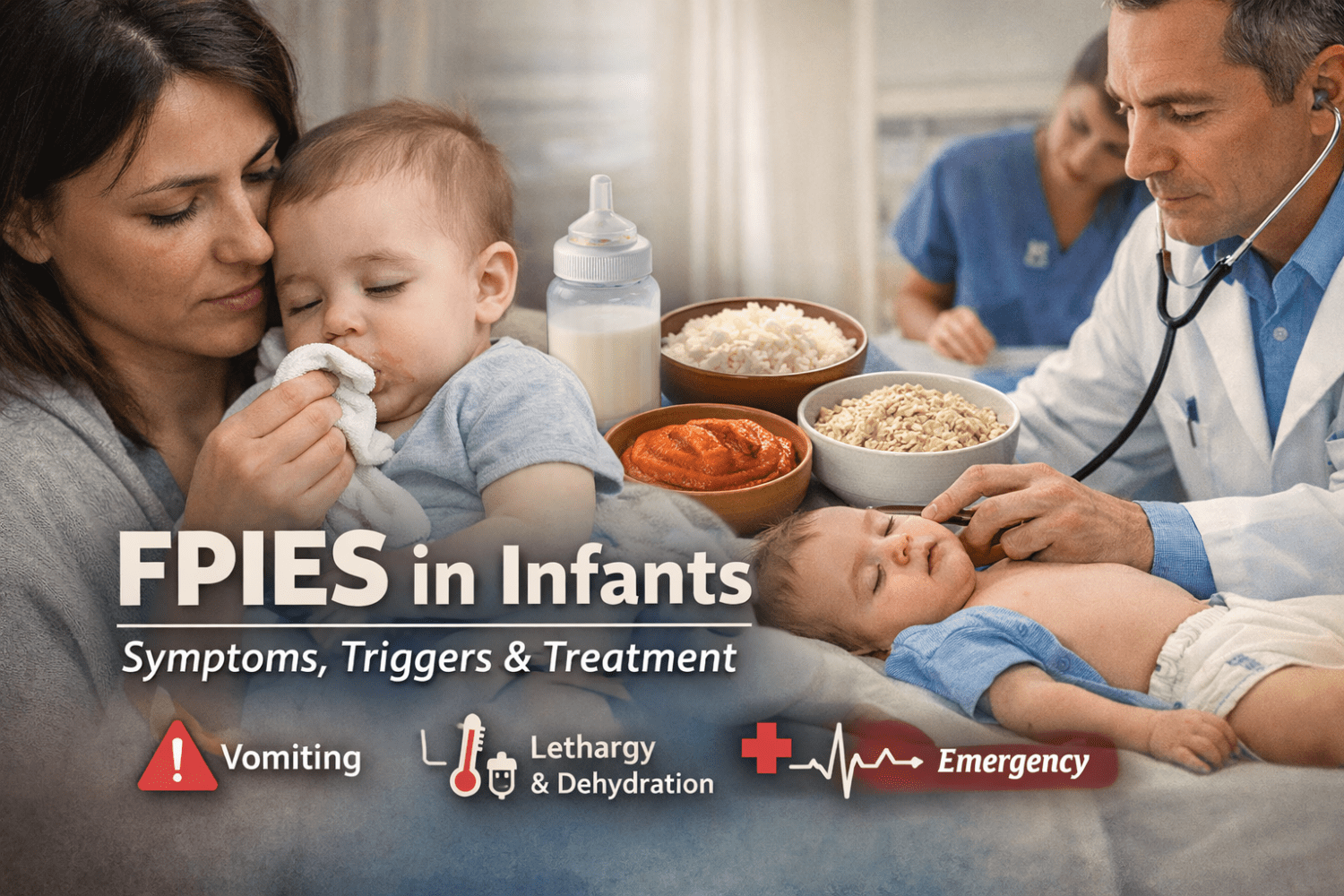
FPIES in infants triggers and care

A Parent’s Question: Why Is My Baby Vomiting Hours After Eating?

April 1, 2026/in News

FPIES in infants triggers and careIf your baby seems fine during feeding but begins repeated vomiting one to four hours later, you may be asking an important question: Could this be a food allergy?

One possible cause is Food Protein Induced Enterocolitis Syndrome, commonly known as FPIES. This is a non IgE mediated food allergy that primarily affects infants and young children and often presents in a way that can be confusing and concerning for families.

This guide explains what FPIES is, how to recognize symptoms, what foods commonly trigger reactions, and how to manage it safely.

What Is FPIES?

FPIES is a non IgE mediated, cell mediated gastrointestinal food allergy. Unlike typical food allergies that cause immediate symptoms such as hives or breathing difficulty, FPIES reactions are delayed and primarily affect the digestive system.

Symptoms typically begin one to four hours after ingestion of a trigger food and can range from mild to severe.

According to the American Academy of Allergy, Asthma and Immunology, FPIES is a recognized form of food allergy that requires careful diagnosis based on clinical history because there are no specific laboratory tests available to confirm it.

Common FPIES Symptoms in Infants

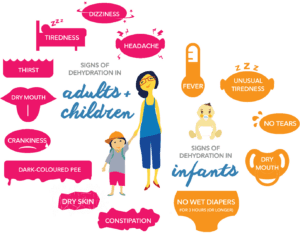
infant fries symptoms

The hallmark symptom of acute FPIES is repetitive vomiting that begins one to four hours after eating a trigger food. However, symptoms can vary in severity.

Mild Symptoms

  1. One to three episodes of vomiting
  2. Mild diarrhea
  3. Temporary fussiness

Moderate Symptoms

  1. Repetitive vomiting
  2. More significant diarrhea
  3. Noticeable lethargy
  4. Reduced activity

Severe Symptoms

  1. Persistent vomiting
  2. Severe lethargy or limpness
  3. Pale or gray skin tone
  4. Signs of dehydration
  5. Hypovolemia or shock in rare but serious cases

Severe reactions require immediate medical attention. Parents should call 911 if symptoms include extreme lethargy or signs of shock.

Common FPIES Food Triggers

FPIES can be triggered by a wide range of foods. Some infants react to only one food, while others may have multiple triggers.

Most Common Triggers

  1. Cow milk
  2. Soy
  3. Rice
  4. Oats

Other Possible Triggers

  1. Egg
  2. Fruits and vegetables
  3. Poultry or fish
  4. Peanuts and tree nuts in some cases

Each child is unique, and identifying triggers requires careful observation and guidance from an allergy specialist.

How Is FPIES Diagnosed?

Unlike IgE mediated food allergies, there is no specific blood test or skin test that confirms FPIES. Diagnosis is based on a detailed medical history and symptom pattern.

Clinicians look for:

  1. Repetitive vomiting 1 to 4 hours after eating
  2. Absence of immediate allergic symptoms such as hives
  3. Resolution of symptoms when the trigger food is avoided

In some cases, an oral food challenge may be performed under medical supervision to confirm the diagnosis.

When Is Allergy Testing Helpful?

Skin or blood testing may still be recommended in certain situations:

  1. Children with moderate to severe eczema
  2. Suspected allergy to egg, milk, peanut, tree nuts, or sesame
  3. Children with known IgE mediated food allergies to other foods

This helps assess the risk of immediate allergic reactions, which can sometimes coexist with FPIES.

Understanding FPIES Phenotypes

FPIES can present in different patterns:

Infantile Onset

Most cases begin in infancy, often when formula or solid foods are introduced.

Acute FPIES

Symptoms occur after intermittent ingestion of a trigger food.

Chronic or Acute on Chronic FPIES

Occurs with frequent exposure to a trigger food, leading to ongoing symptoms.

Atypical FPIES

Some children develop IgE sensitization to the same food. This occurs in a minority of cases and does not clearly predict long term outcomes.

Research shows that sensitization rates vary by food type, with higher rates seen in egg, milk, and nuts compared to grains, fruits, and vegetables.

infant being fed

Managing FPIES focuses on avoiding trigger foods and responding appropriately to reactions.

At Home for Mild Symptoms

  1. Use anti-nausea medication if prescribed
  2. Wait about 20 minutes after vomiting before offering fluids
  3. Monitor closely for signs of dehydration

When to Seek Medical Care

  1. Repetitive vomiting or worsening symptoms
  2. Moderate lethargy
  3. Inability to keep fluids down

Emergency Care for Severe Symptoms

  1. Call 911 immediately
  2. Seek urgent care for lethargy, dehydration, or shock

Intravenous fluids and medications may be required in severe cases.

Can Children Outgrow FPIES?

The outlook for FPIES is generally favorable. Many children outgrow the condition during early childhood.

Studies from the National Institute of Allergy and Infectious Diseases indicate that tolerance often develops over time, especially for common triggers like milk and soy.

Some children with mild milk or egg FPIES may tolerate these foods when baked. In carefully selected cases, gradual reintroduction at home may be considered under guidance from a specialist.

Is There a Risk of Developing Other Food Allergies?

A small percentage of children with FPIES may develop IgE mediated food allergies. However, research shows that:

  1. The rate of IgE sensitization in FPIES is relatively low
  2. There is no clear link between sensitization and persistence of FPIES
  3. Switching from FPIES to classic food allergy is uncommon

Close monitoring by an allergy specialist helps guide safe dietary progression.

When Should You See an Allergy Specialist?

If your child has repeated vomiting episodes after eating or has been diagnosed with FPIES, specialist care is important.

An experienced allergy team can:

  1. Confirm the diagnosis
  2. Identify trigger foods
  3. Create a safe feeding plan
  4. Guide food reintroduction

For expert care and support, visit www.vallenallergyasthma.com

For education and advocacy resources, visit www.nefoodallergy.org

Key Takeaways for Parents

  1. FPIES is a non IgE mediated food allergy that affects the gastrointestinal system
  2. Symptoms are delayed and often include repetitive vomiting 1 to 4 hours after eating
  3. Common triggers include milk, soy, rice, and oats
  4. Diagnosis is based on history rather than lab testing
  5. Most children outgrow FPIES with proper management
  6. Severe symptoms require immediate medical attention

How To Take Action

If your child is experiencing unexplained vomiting after meals or has been diagnosed with FPIES, early evaluation can make a significant difference in safety and quality of life.

Schedule a consultation with an allergy specialist today at www.vallenallergyasthma.com

Learn more about food allergy education and family support at www.nefoodallergy.org

References

  1. American Academy of Allergy, Asthma and Immunology. Food Protein Induced Enterocolitis Syndrome guidelines
  2. National Institute of Allergy and Infectious Diseases. Food allergy research and clinical guidance
  3. Nowak-Wegrzyn A et al. International consensus guidelines for the diagnosis and management of FPIES. Journal of Allergy and Clinical Immunology
  4. American College of Allergy, Asthma and Immunology. FPIES overview and patient guidance

Curb Spring Allergy Symptoms With the Right Tools and Preparation

March 15, 2026/in News

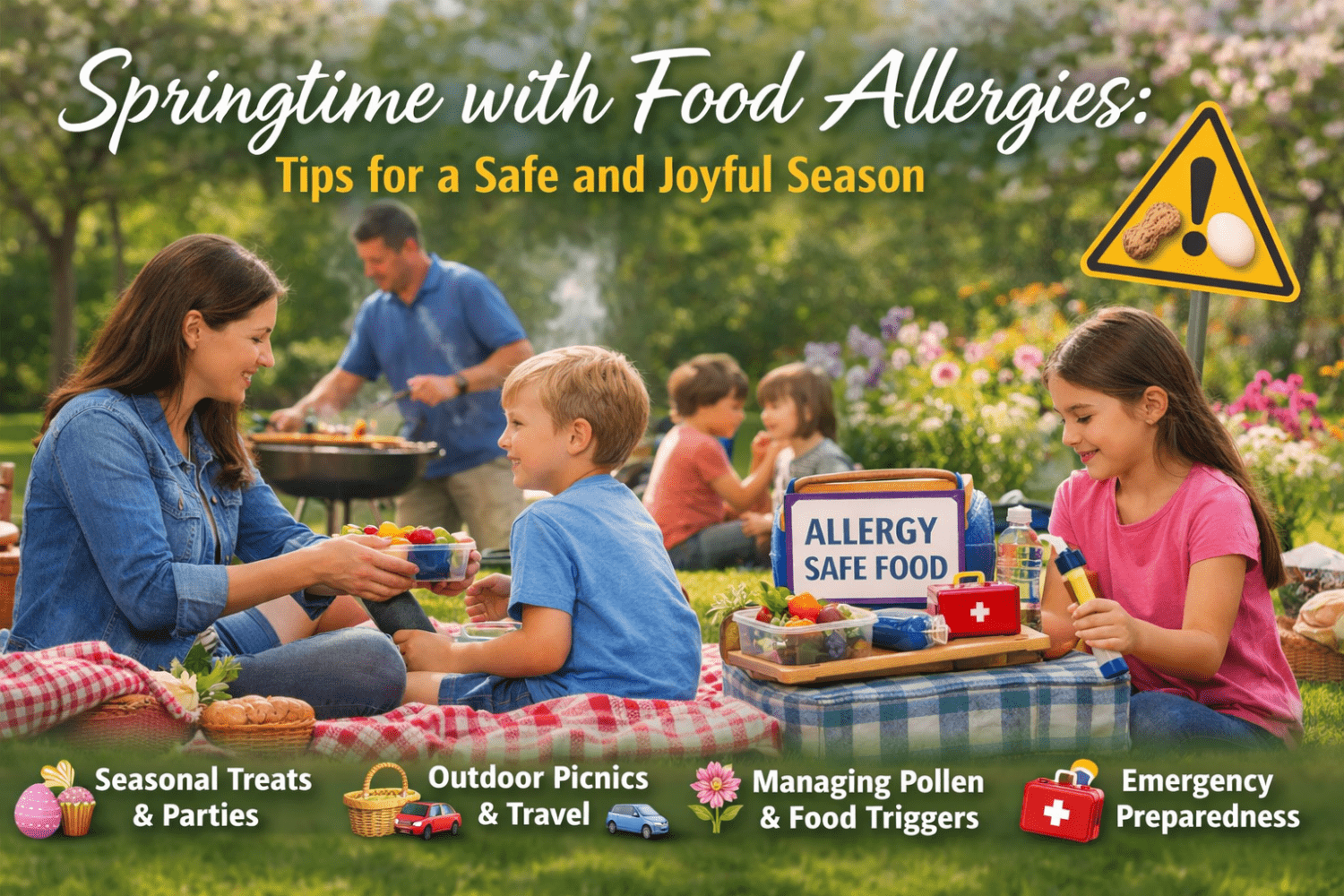
how to reduce spring allergy symptoms pollen prevention tipsLonger days and warmer temperatures are welcome signs of spring. But for many people, spring also brings sneezing, congestion, and itchy eyes. If you’ve ever wondered, “How can I prevent spring allergy symptoms before they start?” you’re not alone. Tree pollen season begins earlier than many expect, and preparation is key to staying ahead of symptoms.

This guide explains how to reduce spring allergy symptoms using proven strategies, when to start treatment, and when to see an allergist for personalized care.

Why Spring Allergies Start Early

Spring allergies are most commonly triggered by tree pollen. Trees release pollen into the air as part of their reproductive cycle, and this pollen can travel for miles.

According to the American College of Allergy, Asthma and Immunology, timing matters. Some regions in the United States begin seeing tree pollen as early as late winter or early March. Climate trends, including warmer winters, are also causing allergy seasons to start earlier and last longer.

As allergist Cherie Zachary, MD explains, symptoms depend on your specific triggers. If you are allergic to tree pollen, you may experience symptoms early in the season, while others may not feel symptoms until grass or weed pollen emerges later.

Common Spring Allergy Symptoms

Spring allergies can affect both the upper and lower airways. Symptoms may include:

  • Sneezing
  • Nasal congestion
  • Runny nose
  • Itchy or watery eyes
  • Coughing or wheezing
  • Fatigue

These symptoms can interfere with sleep, productivity, and overall quality of life. In some cases, untreated allergies can worsen asthma symptoms.

The American Academy of Allergy, Asthma and Immunology notes that allergic rhinitis affects millions of Americans each year and is a leading cause of missed school and work days.
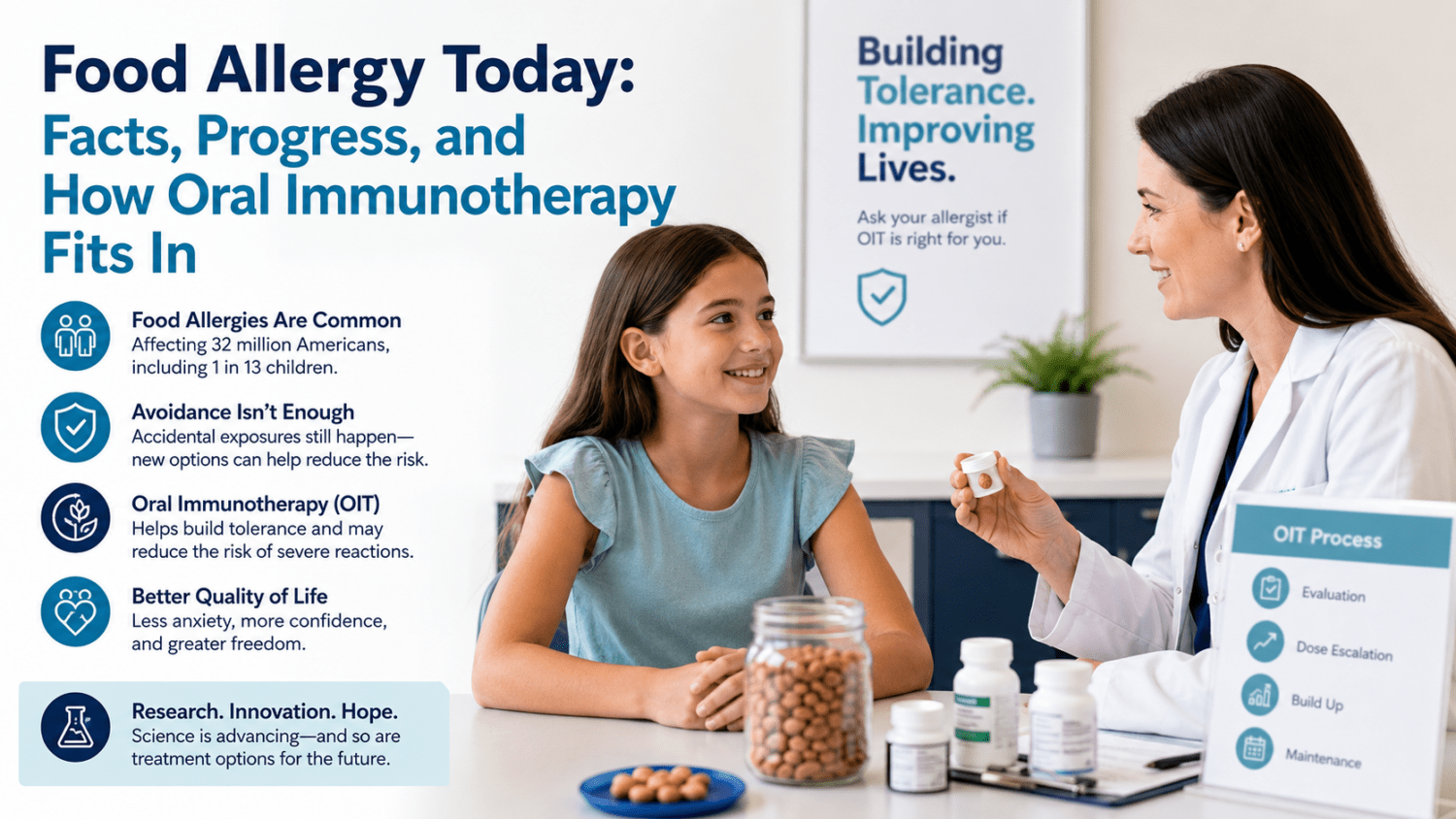
When Should You Start Allergy Medication?

One of the most effective ways to curb spring allergy symptoms is to start treatment early.

Experts recommend beginning allergy medications at least two to four weeks before your typical symptoms begin. Starting early helps reduce the immune system’s response before pollen counts peak.

Common preventive medications include:

  • Oral antihistamines
  • Intranasal corticosteroid sprays
  • Antihistamine eye drops

A review published in The Journal of Allergy and Clinical Immunology supports early use of intranasal corticosteroids as one of the most effective first-line treatments for seasonal allergies.

If you are unsure when your allergy season begins, an allergist can help identify patterns and guide timing.

How to Reduce Pollen Exposure at Home

Limiting exposure to pollen is just as important as medication. Even small changes in your daily routine can significantly reduce symptoms.

Keep Windows Closed

While fresh air is appealing, open windows allow pollen to enter your home and car. Use air conditioning instead.

Use High Efficiency Air Filters

HEPA filters can help remove airborne allergens and improve indoor air quality.

Shower After Outdoor Activities

Pollen can stick to your skin, hair, and clothing. Showering and changing clothes after being outside prevents pollen from spreading indoors.

Clean Frequently

Vacuum with a HEPA filter and dust regularly to remove allergens from surfaces.

Monitor Pollen Counts

Check daily pollen forecasts and limit outdoor activities when counts are high.

For more practical tips and patient resources, visit New England Food Allergy Treatment Center or explore guidance at Vallen’s Allergy and Asthma.

You can also learn more here:

  • www.nefoodallergy.org
  • www.vallenallergyasthma.com

The Role of Allergy Testing

Not all spring allergies are the same. Identifying your specific triggers is essential for effective treatment.

Allergy testing can determine whether you are sensitive to:

  • Tree pollen
  • Grass pollen
  • Weed pollen
  • Mold spores

Testing may include skin prick tests or blood tests. Knowing your triggers allows for targeted treatment and better symptom control.

The National Institutes of Health emphasizes that accurate diagnosis is the foundation of effective allergy management.

When Over the Counter Treatments Are Not Enough

Many people find relief with over the counter medications. However, if symptoms persist or interfere with daily life, it may be time to see an allergist.

Signs you need specialist care include:

  • Symptoms that last several weeks or months
  • Poor response to over the counter medications
  • Frequent sinus infections
  • Worsening asthma symptoms

A board certified allergist can create a personalized treatment plan that may include prescription medications or advanced therapies.

To schedule an evaluation or learn more about treatment options, visit www.vallenallergyasthma.com or connect with specialists at www.nefoodallergy.org.

Long Term Relief With Allergen Immunotherapy

For patients seeking lasting relief, allergen immunotherapy is a highly effective option.

Immunotherapy works by gradually exposing the immune system to small amounts of allergens, helping the body build tolerance over time. It is available in two forms:

  • Allergy shots
  • Sublingual tablets

According to the American Academy of Allergy, Asthma and Immunology, immunotherapy can significantly reduce symptoms and decrease the need for medications. It may also prevent the development of asthma in some patients.

Unlike medications that only treat symptoms, immunotherapy addresses the underlying cause of allergies.

How Climate Change Is Affecting Allergy Season

Research shows that rising temperatures and increased carbon dioxide levels are contributing to longer and more intense pollen seasons.

A study published in Proceedings of the National Academy of Sciences found that pollen seasons in North America are starting earlier and lasting longer than in previous decades.

This means patients may need to:

  • Start medications earlier
  • Monitor pollen counts more closely
  • Adjust treatment plans over time

Understanding these trends can help you stay proactive rather than reactive.

Practical Daily Tips to Control Symptoms

Small daily habits can make a big difference during allergy season:

  • Wear sunglasses outdoors to protect your eyes
  • Avoid outdoor activities in the early morning when pollen counts peak
  • Keep pets clean if they spend time outside
  • Dry clothes indoors instead of on outdoor lines
  • Use saline nasal rinses to clear allergens from nasal passages

Consistency with these habits can reduce symptom severity and improve comfort.

Take Control of Spring Allergies

Spring allergies do not have to disrupt your life. With early planning, the right medications, and environmental controls, you can significantly reduce symptoms.

If your symptoms are not well controlled, working with an allergist can help you find long term solutions tailored to your needs.

For expert care and personalized treatment plans, visit:

  • www.vallenallergyasthma.com
  • www.nefoodallergy.org
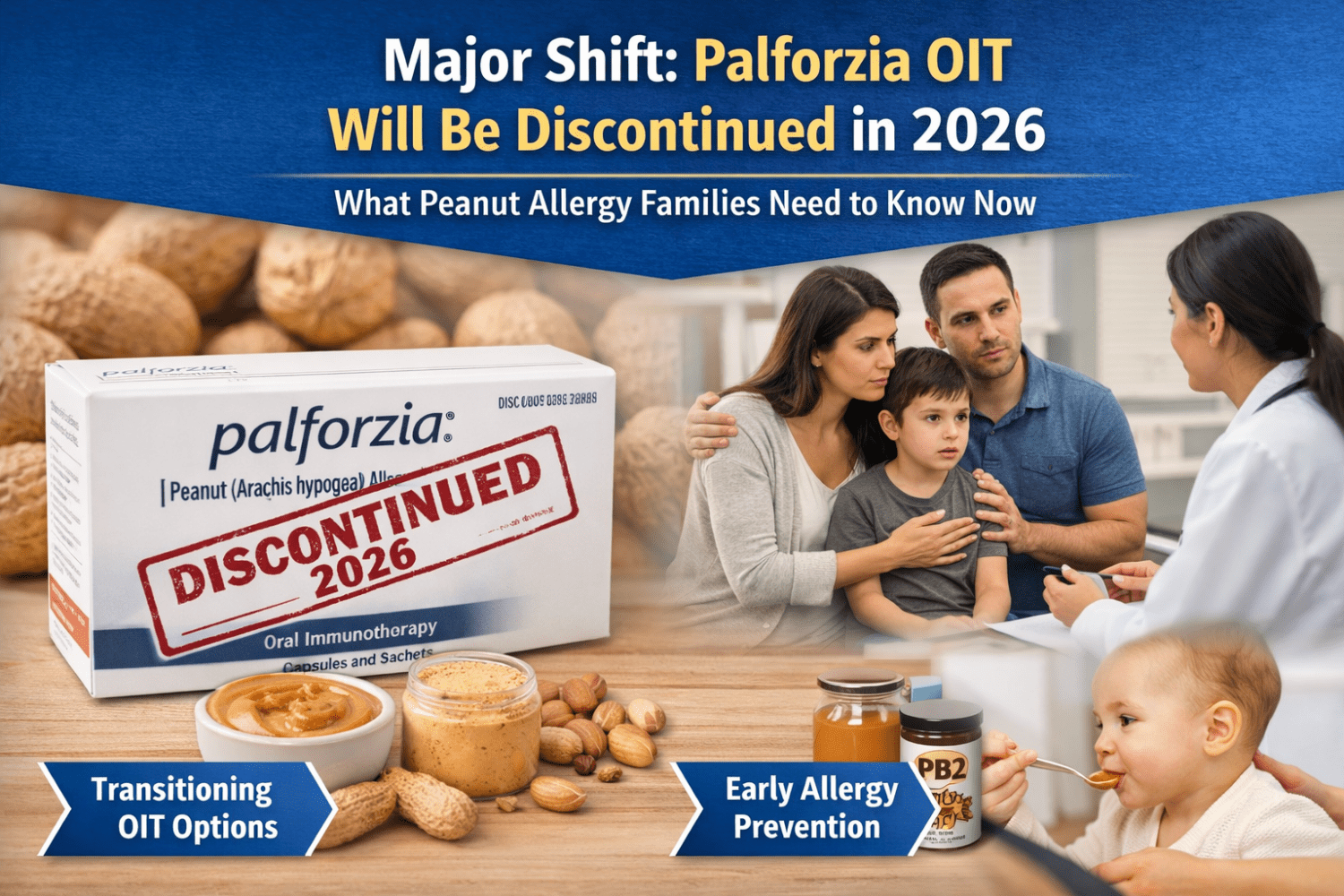
Major Shift Palforzia OIT Will Be Discontinued in 2026

Major Shift: Palforzia OIT Will Be Discontinued in 2026

March 1, 2026/in News

What Peanut Allergy Families Need to Know Now

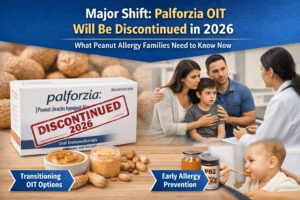
Major Shift Palforzia OIT Will Be Discontinued in 2026If your child is receiving Palforzia for peanut allergy, you may be asking: What happens when Palforzia is discontinued? What are our options? Is oral immunotherapy still possible?
These are important and timely questions. Palforzia, the first FDA approved oral immunotherapy for peanut allergy, will be phased out in July 2026. For many families, this news creates uncertainty. However, there are safe, evidence based pathways forward, and the science behind peanut allergy treatment and prevention continues to evolve.

This article explains what the discontinuation means, how patients can safely transition, and what new research says about early peanut introduction and allergy prevention.

What Is Palforzia and Why Is It Being Discontinued?

Palforzia is a standardized peanut allergen powder approved by the U.S. Food and Drug Administration in 2020 for children ages 4 to 17 with confirmed peanut allergy. It was the first FDA approved oral immunotherapy designed to reduce the risk of severe allergic reactions from accidental peanut exposure.

Palforzia works by gradually exposing the immune system to small, controlled amounts of peanut protein over time. This process helps build tolerance and lowers the risk of a severe reaction after accidental ingestion. It does not cure peanut allergy, but it can significantly reduce risk.

Although Palforzia marked a milestone in food allergy treatment, the manufacturer has announced it will be discontinued in July 2026. While this change affects product availability, it does not mean that oral immunotherapy is no longer an option. In fact, many allergists have long used carefully measured store bought peanut products in supervised oral immunotherapy protocols.

I Am on Palforzia. What Should I Do?

If your child is currently on Palforzia, do not stop treatment without speaking to your allergist. Abrupt discontinuation can increase risk of losing tolerance.

Many patients can transition from Palforzia to a measured store bought peanut product such as peanut butter or powdered peanut products like PB2 under physician supervision. Clinical research has demonstrated that peanut oral immunotherapy using peanut flour or peanut butter can effectively maintain desensitization when dosing is consistent and medically supervised.

The New England Food Allergy Treatment Center welcomes peanut allergic patients who need guidance transitioning from Palforzia. Our team can help design an individualized plan to maintain protection using commercially available peanut products while ensuring safety and ongoing monitoring.

Published data from landmark studies such as the PALISADE trial, published in The New England Journal of Medicine, demonstrated that peanut oral immunotherapy significantly increased the amount of peanut protein tolerated by allergic children compared to placebo. These findings continue to guide clinical practice even as branded formulations evolve.

Is Oral Immunotherapy Still Supported by Research?

Yes. Oral immunotherapy remains supported by strong evidence. The PALISADE study showed that 67 percent of treated participants tolerated at least 600 mg of peanut protein compared to 4 percent in the placebo group.

Professional organizations such as the American Academy of Allergy, Asthma & Immunology recognize oral immunotherapy as a treatment option when delivered in experienced medical settings. Ongoing research continues to refine dosing, safety protocols, and long term maintenance strategies.

Palforzia’s discontinuation does not reverse the scientific progress made in peanut immunotherapy. Instead, it highlights the need for experienced allergy specialists to guide families through individualized treatment plans.

New Prevention Insights: Early Feeding Matters

While treatment options evolve, prevention science continues to advance.

Groundbreaking research from the Learning Early About Peanut Allergy trial demonstrated that early peanut introduction in high risk infants reduced the development of peanut allergy by up to 81 percent. These findings led the National Institute of Allergy and Infectious Diseases to issue guidelines recommending peanut introduction around 4 to 6 months of age in appropriate infants.

Since those guideline changes, modeling studies estimate that tens of thousands of peanut allergy cases in the United States have been prevented.

Emerging international research continues to reinforce this approach. Recent Canadian data in 2026 reported that infants introduced to allergenic foods such as peanuts, eggs, and fish between 4 and 6 months were significantly less likely to develop food allergies later in childhood. These findings align with previous evidence that delaying allergenic foods may increase risk rather than reduce it.

Parents should consult their pediatrician or allergist before introducing peanut if their infant has severe eczema or existing food allergy. However, for most infants, early introduction is now considered protective.

What Does This Mean for Families Today?

If you are currently on Palforzia:

  • Do not discontinue abruptly
    • Schedule a consultation with your allergist
    • Discuss transitioning to a supervised peanut product protocol

If you have a newly diagnosed peanut allergy:

  • Oral immunotherapy remains a viable treatment option
    • Individualized protocols using peanut products may be available
    • Shared decision making with an experienced allergist is essential

If you have an infant:

  • Ask your pediatrician about early allergen introduction
    • Consider peanut introduction around 4 to 6 months if appropriate

The discontinuation of Palforzia marks the end of a chapter in food allergy treatment, but not the end of progress. Its legacy continues to inform safer and more accessible oral immunotherapy strategies. At the same time, prevention efforts through early feeding are already reshaping the future of food allergy in children.

For families navigating peanut allergy treatment or prevention, evidence based guidance from experienced specialists remains the most important factor in achieving long term safety and peace of mind.

If your child is transitioning off Palforzia or you are exploring peanut oral immunotherapy options, the New England Food Allergy Treatment Center is available to provide personalized care and support during this transition.

Mental Health Support for Food Allergies A Complete Guide for Patients and Families

Mental Health Support for Food Allergies: A Complete Guide for Patients and Families

February 1, 2026/in News

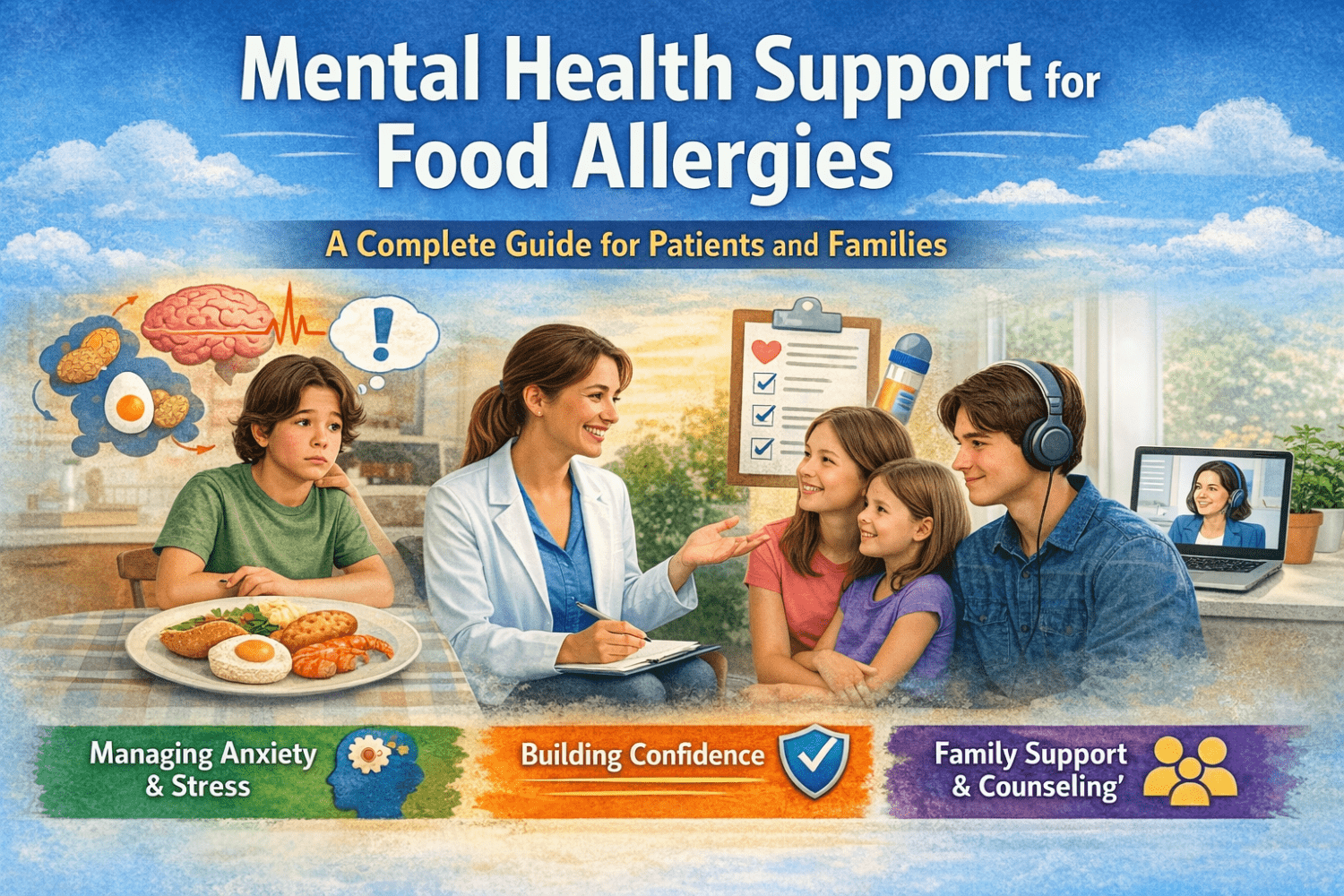
Living with food allergies extends far beyond simply avoiding certain foods. For many patients and their families, the psychological impact of managing IgE-mediated food allergies can be just as challenging as the physical aspects. If you or your child has been diagnosed with food allergies, you may be experiencing anxiety, stress, or feeling overwhelmed by the constant vigilance required. The good news is that mental health support specifically tailored to food allergy management is available and can make a significant difference in your quality of life.

Why Mental Health Matters in Food Allergy Management

Research shows that patients with food allergies and their caregivers consistently identify mental health support as a clinical priority. The American Academy of Allergy, Asthma & Immunology recognizes this need and has developed guidelines for integrating mental health professionals into food allergy practices.

The connection between food allergies and mental health is well-documented. Parents of children with food allergies often experience significant burden and anxiety related to keeping their child safe. Children and adolescents with food allergies may struggle with feelings of being different from their peers, social isolation, or fear of allergic reactions. These psychological challenges can impact daily functioning, quality of life, and even treatment adherence.

Who Benefits from Food Allergy Mental Health Support?

Understanding when mental health support can be helpful requires recognizing that not everyone with food allergies needs traditional therapy. The Pediatric Psychosocial Preventative Health Model provides a useful framework for thinking about mental health needs in chronic illness management.

Universal Support for All Families

Ideally, all patients and caregivers would meet with a food allergy-informed mental health professional soon after diagnosis. This initial consultation serves several important purposes:

  • Providing developmentally appropriate psychoeducation about living with food allergies
  • Teaching fundamental coping skills for managing the diagnosis
  • Learning to balance necessary vigilance without excessive avoidance
  • Determining if follow-up care is needed

This type of support is particularly valuable because food allergy management challenges evolve throughout different developmental stages. Research indicates that food allergy-related quality of life may actually worsen as pediatric patients get older, highlighting the importance of ongoing support throughout childhood and adolescence.

Targeted Support for Specific Challenges

Some situations call for more focused mental health intervention. You might benefit from short-term therapy if you are:

  • Struggling to cope with a new food allergy diagnosis
  • Experiencing anxiety that affects your daily functioning or willingness to engage in life experiences
  • Having difficulty communicating about food allergy needs with schools, daycares, or other caregivers
  • Preparing for an oral food challenge or starting immunotherapy treatment
  • Dealing with food allergy-related bullying
  • Experiencing post-traumatic symptoms after an allergic reaction or anaphylaxis
  • Developing restrictive or selective eating patterns related to food allergy fears
  • Navigating the transition of food allergy management responsibility from parent to child

Long-Term Support for Complex Needs

A smaller subset of patients may need ongoing, long-term therapy. This typically includes situations where food allergy concerns are part of a broader mental health disorder or when distress is persistent and significantly impacts daily life.

Evidence-Based Treatment Approaches for Food Allergies

Mental health professionals who work with food allergy patients use several proven treatment approaches:

Cognitive-Behavioral Therapy

Cognitive-behavioral therapy, or CBT, is one of the most well-established treatments for food allergy-related anxiety and distress. CBT helps you understand the connections between your thoughts, feelings, and behaviors while developing more helpful thinking patterns.

For anxiety about food allergies, CBT might involve:

  • Identifying and challenging anxious thoughts about allergic reactions
  • Learning relaxation techniques like deep breathing and visualization
  • Gradually approaching situations you have been avoiding due to food allergy fears
  • Building confidence in your ability to manage food allergies effectively

A specialized form of CBT called allergen proximity challenges has shown particular promise. This approach involves gradual exposure to being physically near allergens in controlled settings, which can significantly reduce anxiety and improve quality of life without requiring you to actually consume the allergen.

Acceptance and Commitment Therapy

Acceptance and commitment therapy, known as ACT, takes a different approach by helping you develop psychological flexibility. Rather than fighting against the reality of food allergies, ACT helps you accept the diagnosis while still living a meaningful, value-driven life.

For caregivers, ACT can be particularly beneficial in accepting circumstances you cannot change while focusing on what truly matters to your family. This approach reduces the tendency to let fear dictate life decisions and choices.

Motivational Interviewing

Motivational interviewing is especially useful when addressing treatment adherence or motivation to pursue testing and treatment. This approach explores your own motivations and helps resolve ambivalence about recommended allergy care, whether that involves following management strategies, attending appointments, or participating in immunotherapy protocols.

Family-Based Interventions

Food allergy management affects the entire family system. Family-based interventions can address:

  • Division of food allergy management responsibilities
  • Supporting age-appropriate independence in self-management
  • Managing caregiver anxiety that may lead to overprotection
  • Navigating solid food introductions with infants who have food allergies
  • Communication strategies between family members about food allergy needs

 Support for Feeding Difficulties

Some individuals with food allergies develop eating difficulties ranging from selective eating to avoidant/restrictive food intake disorder, or ARFID. When feeding problems become severe, multidisciplinary intervention using CBT or behavioral therapy approaches represents the gold standard of care. Mental health professionals work alongside dietitians and physicians to safely expand dietary variety and address the psychological factors contributing to restricted eating.

 How to Access Mental Health Support for Food Allergies

Finding the right mental health support for food allergy concerns depends on several factors, including your location, insurance coverage, and the specific services you need.

 Models of Care

Mental health support for food allergies can be delivered through several different models:

  • Consultation-Liaison Services: Some allergy clinics have mental health professionals available during regular appointments, particularly for oral food challenges. These brief consultations can provide immediate support, screening for mental health needs, and referrals for ongoing care when needed.
  • Multidisciplinary Team Visits: In this model, you meet with multiple providers including an allergist, mental health professional, and possibly a dietitian during a single appointment. This approach allows for coordinated care and reduces the need for multiple separate visits.
  • Outpatient Therapy Referrals: Your allergist may refer you to a mental health professional for ongoing therapy, either within the same medical institution or in the community. These sessions occur independently of allergy visits and can be short-term or long-term based on your needs.

 Finding a Qualified Provider

When seeking mental health support for food allergies, ideally you want to work with a professional who has specific training and experience in this area. The Food Allergy Counseling Directory at www.foodallergycounseling.org/directory is a valuable resource for locating food allergy-informed therapists.

Licensed mental health professionals who provide therapy include:

  • Clinical psychologists with PhD, PsyD, or EdD degrees
  • Licensed clinical professional counselors
  • Licensed clinical social workers
  • Licensed marriage and family therapists

If you cannot find a food allergy-specific therapist in your area, look for mental health professionals who specialize in health anxiety, chronic illness, or pediatric psychology. These professionals can still provide valuable support even without specific food allergy training.

 Insurance and Billing Considerations

Mental health services for food allergies are typically billable to insurance, though coverage varies by plan. Services may be billed using mental health diagnostic codes or Health and Behavior codes, which allow billing under physical health diagnoses like food allergy. Check with your insurance provider about your specific coverage for mental health services, including copayments and deductibles.

Some allergy clinics, particularly those in academic medical centers, may offer mental health support through alternative funding sources such as grants or philanthropy, which can increase accessibility.

 Telehealth Options

Telehealth has expanded access to food allergy mental health support, particularly for families living far from specialized medical centers. However, licensing requirements mean that mental health professionals can only provide services to patients physically located in states where they hold a license.

Recent developments in interstate compacts are improving access. The American Psychological Association’s PsyPact allows qualified psychologists to practice in 42 states as of January 2025. The American Counseling Association’s Interstate Counseling Compact began granting privileges to counselors in 37 states in 2025. These compacts make it easier to access specialized food allergy mental health support regardless of your location.

 Self-Help Resources and Tools

While working with a mental health professional provides the most comprehensive support, several resources can help you begin addressing food allergy-related stress and anxiety:

 Educational Resources

  • Age-appropriate children’s books about food allergies that address emotional aspects
  • Online resources from organizations like Food Allergy Research & Education and the Center for Food Allergy and Asthma Research
  • Educational handouts from the American Academy of Allergy, Asthma & Immunology on food allergy stages and psychosocial adjustment

 Assessment Tools

Your allergy provider may use standardized questionnaires to screen for mental health concerns related to food allergies. These tools assess areas like quality of life, anxiety levels, and caregiver burden. While these assessments are not diagnostic, they can help identify when additional support might be beneficial and track improvement over time.

 Mobile Apps and Online Tools

Several apps can support food allergy management and reduce stress by simplifying daily tasks like finding safe restaurants, translating allergy information for travel, and discovering allergy-friendly recipes.

 What to Expect from Food Allergy Mental Health Treatment

Mental health treatment for food allergies typically focuses on developing what experts call a “relaxed readiness” approach. This means maintaining appropriate vigilance and preparedness to act when needed while also managing anxiety effectively so you can enjoy a good quality of life.

Treatment goals are individualized but commonly include:

  • Reducing excessive worry while maintaining necessary caution
  • Improving confidence in food allergy management abilities
  • Decreasing avoidance of safe activities and social situations
  • Developing effective communication strategies about food allergy needs
  • Supporting age-appropriate independence in self-management
  • Processing trauma from past allergic reactions
  • Addressing feeding difficulties or food avoidance

The length and intensity of treatment varies based on your specific needs, ranging from a few sessions focused on a particular challenge like preparing for an oral food challenge to longer-term therapy for more complex concerns.

 Bottom Line

Living with food allergies presents real psychological challenges that deserve professional support. Mental health care is not a sign of weakness or inability to cope but rather a valuable tool for managing a complex medical condition. The integration of mental health professionals into food allergy care represents an important step toward addressing the full spectrum of patient and family needs.

If you are struggling with anxiety, stress, or other mental health concerns related to food allergies, talk to your allergist about available resources. Whether you need brief psychoeducation, targeted support for a specific challenge, or ongoing therapy, help is available. With appropriate mental health support, you can develop effective coping strategies, reduce distress, and improve your quality of life while safely managing food allergies.

Remember that experiencing stress and anxiety about food allergies is normal and common. You are not alone in these challenges, and seeking support is a positive step toward thriving despite the complexities of living with food allergies.

 References

This article is based on guidance from the American Academy of Allergy, Asthma & Immunology Work Group Report on Integration of Mental Health Care into Food Allergy Practices, published in the Journal of Allergy and Clinical Immunology: In Practice (2025). Additional research supporting mental health interventions for food allergies has been published in peer-reviewed journals including Pediatric Allergy and Immunology, Annals of Allergy, Asthma & Immunology, and Clinical and Experimental Allergy.

For professional guidance specific to your situation, consult with your allergist and a qualified mental health professional experienced in food allergy care.

Penicillin Allergy: What You Need to Know Before Avoiding Antibiotics

Penicillin Allergy: What You Need to Know Before Avoiding Antibiotics

January 15, 2026/in News

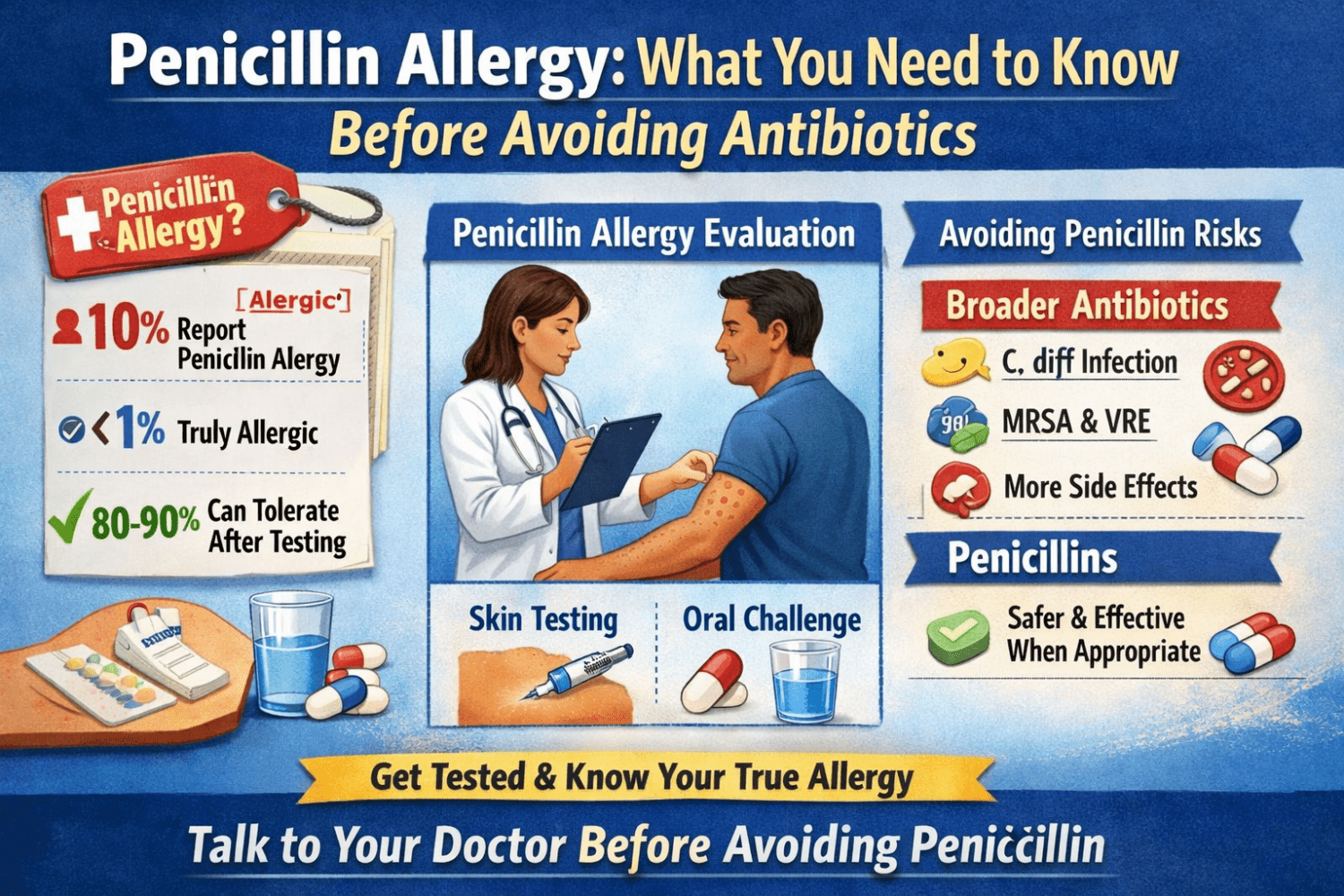
Many people worry they are “allergic” to penicillin, but most who carry that label are not truly allergic and can actually take penicillin safely after proper evaluation. Understanding what a real penicillin allergy is, how to get tested, and when to avoid penicillin can help you and your clinician choose the safest and most effective antibiotics.

How common is penicillin allergy, really?

  • About 10% of people in the United States say they have a penicillin allergy.
  • When those patients are formally evaluated, fewer than 1% of the total population are found to be truly allergic.
  • Studies show that 80% to 90% of people once labeled penicillin‑allergic can ultimately tolerate penicillin again, especially if many years have passed.

In practice, this means many penicillin “allergies” are inaccurate labels, often based on childhood rashes, side effects like stomach upset, or vague memories of a reaction. Losing this label when it is not accurate is important because it opens the door to better, narrower‑spectrum antibiotics and fewer complications.

Why does the label matter?

Carrying a penicillin allergy label affects more than just one prescription.

  • You are more likely to receive broad‑spectrum antibiotics like fluoroquinolones, clindamycin, or vancomycin instead of first‑line penicillins.
  • Use of these broader drugs is linked with higher rates of C. difficile infection, MRSA, and VRE, as well as more drug side effects.
  • People with a penicillin allergy label may have longer hospital stays, more surgical site infections, and higher healthcare costs.

Because of these risks, allergy and infectious disease experts now strongly encourage proactively evaluating penicillin allergy labels rather than avoiding penicillin for life.

Example

A patient labeled “penicillin‑allergic” as a child for a mild rash later needs surgery. Instead of a standard penicillin‑type antibiotic, they receive a broader drug and end up with C. difficile diarrhea, a complication that might have been avoidable if their label had been checked and removed.

What does a true penicillin allergy look like?

A true penicillin allergy is an abnormal immune reaction to the drug, and it can be immediate (within minutes to hours) or delayed (days later).

Immediate (IgE‑mediated) reactions

These usually occur within an hour but can show up within the same day of a dose. Common features include:

  • Hives (raised, itchy welts)
  • Swelling of lips, tongue, face, or throat
  • Trouble breathing, wheezing, chest tightness
  • Dizziness, fainting, low blood pressure
  • Anaphylaxis, which is a life‑threatening whole‑body allergic reaction

Immediate allergic reactions are serious and require urgent care; patients with this pattern should avoid penicillin until evaluated by an allergy specialist.

Delayed reactions

Delayed reactions show up days after starting penicillin and can range from mild to life‑threatening.

  • Mild: flat red rash, sometimes itchy, without other symptoms.
  • Severe: syndromes such as Stevens–Johnson syndrome (SJS), toxic epidermal necrolysis (TEN), drug rash with eosinophilia and systemic symptoms (DRESS), and other organ‑involving reactions.

If you have ever had a severe delayed reaction like SJS, TEN, or DRESS, you should never take penicillin or undergo penicillin challenge testing again.

What is not a true allergy?

Many reactions blamed on penicillin are not immune allergies at all. Examples include:

  • Nausea, vomiting, or diarrhea without other symptoms
  • Headache or fatigue
  • Yeast infections after antibiotics
  • A viral rash that happened to appear while taking penicillin
  • A family history of penicillin allergy without any reaction yourself

These situations often can be “delabeled” simply by reviewing your history with a clinician, sometimes backed up by a supervised single‑dose challenge.

How can I find out if I am really allergic?

National allergy organizations recommend that penicillin allergy evaluations be offered proactively, even before you need antibiotics. This can usually be done in three steps.

  1. Detailed history

Your clinician or allergist will ask about:

  • What penicillin drug you took (for example, amoxicillin)
  • What happened, including your symptoms
  • How long after taking the dose the symptoms started
  • How many years ago this occurred
  • Whether you have taken any penicillin‑type or cephalosporin antibiotics since then without issues

Many people with only vague, mild, or very remote skin‑only reactions (more than five years ago) are considered “low risk.”

  1. Skin testing (when needed)

For patients with a higher‑risk history — like hives, wheezing, or a concerning recent reaction — penicillin skin testing is often recommended.

  • Small amounts of penicillin test reagents are placed on or just under the skin.
  • The allergist watches for a localized hive reaction that suggests allergy.
  • If skin testing is negative, the next step is usually an oral challenge.

Penicillin skin testing has a very high negative predictive value, meaning that if your test is negative and you pass an oral challenge, your risk of an allergy reaction is similar to someone with no history at all.

  1. Direct oral challenge

For many low‑risk patients, guidelines now support a direct supervised oral challenge with a penicillin such as amoxicillin, sometimes without prior skin testing.

  • You take a small dose under observation, then a full dose if there is no reaction.
  • Staff monitor you for a set period for any signs of allergy.
  • If you tolerate it, the penicillin allergy label can usually be removed from your chart.

People with a history of severe delayed reactions (SJS, TEN, DRESS, severe organ injury) should not undergo this kind of challenge.

If my test is negative, is it safe to use penicillin?

When skin testing (if done) and an oral challenge are negative, you can typically use penicillin and related antibiotics when needed. Research shows that these patients do not have a higher risk of immediate IgE‑mediated reactions than the general population.

It is important to have your medical records updated to remove the penicillin allergy label and document your testing results clearly so the allergy is not accidentally re‑added in the future.

What if I truly am allergic and need penicillin?

Sometimes penicillin is the only recommended treatment, such as for neurosyphilis or syphilis in pregnancy. If you have a confirmed penicillin allergy and no good alternative antibiotic:

  • You may undergo a process called desensitization in a monitored hospital setting.
  • Tiny, gradually increasing doses of penicillin are given over hours until the full dose is reached.
  • This temporarily trains your immune system to tolerate the drug so the course can be completed safely.

Desensitization does not “cure” the allergy permanently, so you should continue to be labeled allergic unless retested and advised otherwise by an allergist.

When should I talk to a doctor about penicillin allergy?

You should seek medical advice if:

  • You have a penicillin allergy label but do not clearly remember the reaction.
  • Your reaction happened in childhood or more than five to ten years ago.
  • Your reaction was just stomach upset, a mild rash, or a family history.
  • You are pregnant or planning surgery and carry a penicillin allergy label.
  • You have had a concerning reaction such as hives, wheezing, swelling, or feeling faint after penicillin.

An allergist or knowledgeable clinician can help decide whether you should be delabeled by history, undergo a supervised oral challenge, have formal skin testing, or continue to avoid penicillin. Early evaluation — before you urgently need antibiotics — gives you more options and time to make a safe plan.

If you carry a penicillin allergy label or are unsure about a past reaction, schedule an appointment with us today to review your history and discuss testing options so you can safely expand your future antibiotic choices.

Sources

  1. CDC – Clinical Features of Penicillin Allergy (Antibiotic Prescribing and Use)​
  2. StatPearls – Penicillin Allergy (NCBI Bookshelf)​
  3. AAAAI – Penicillin Allergy evaluation/position statement and public guidance (American Academy of Allergy, Asthma & Immunology
Peanut allergy prevention through early introduction

Can Feeding My Child Peanuts Early Prevent Peanut Allergy?

January 1, 2026/in News

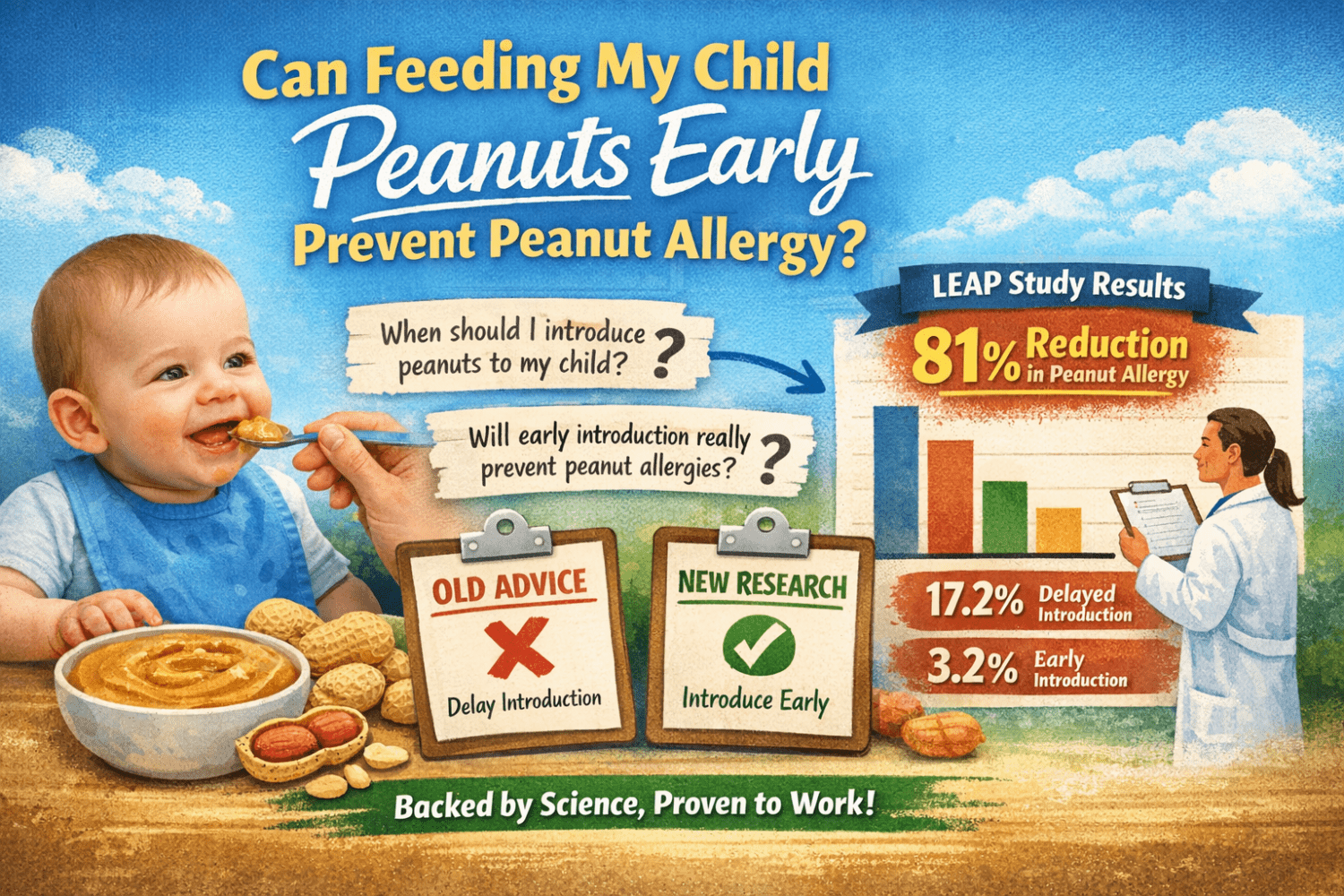
Many parents ask: “When should I introduce peanuts to my child?” and “Will early introduction really prevent peanut allergies?” These questions reflect a significant shift in how we approach food allergies in infants. The answer is encouraging and backed by substantial research. Recent evidence shows that introducing peanuts early in your infant’s diet can significantly reduce the risk of developing peanut allergy, contradicting decades of previous advice that recommended delayed introduction. 

Understanding the Peanut Allergy Problem

Peanut allergies have become increasingly common over the past few decades, affecting approximately 2% of children in the United States. Unlike some childhood allergies that children may outgrow, peanut allergies typically persist into adulthood. These allergies can cause severe, life-threatening reactions, making prevention a critical public health priority.

For years, parents were advised to delay introducing peanuts and other allergenic foods until after their child’s first birthday, or even later for high-risk children. This guidance, it turns out, may have actually contributed to the rising rates of peanut allergies we’ve seen in recent decades. 

The Groundbreaking LEAP Study Changed Everything

A landmark 2015 study called the Learning Early About Peanut Allergy (LEAP) study fundamentally changed how we approach peanut allergies in children. Published in the New England Journal of Medicine, this research demonstrated that early introduction of peanuts is not only safe but highly effective at preventing allergies.

The LEAP study, conducted by researchers at King’s College London, enrolled over 600 infants between 4 and 11 months of age who were considered at high risk for developing peanut allergy due to severe eczema, egg allergy, or both. The children were randomly assigned to either consume or avoid peanut products until 5 years of age.

The results were remarkable and unexpected. Among children who avoided peanuts, 17.2% developed peanut allergy by age 5. In stark contrast, only 3.2% of children who regularly consumed peanut products developed the allergy. This represented an 81% reduction in peanut allergy development among high-risk infants who consumed peanuts early and regularly.

 Current Guidelines Reflect This Research

Following the LEAP study results, major health organizations revised their recommendations. In 2017, the National Institute of Allergy and Infectious Diseases (NIAID) released updated guidelines endorsing early peanut introduction for most infants.

The American Academy of Pediatrics (AAP) similarly updated its guidance, recommending that peanut-containing foods be introduced to infants around 6 months of age, and potentially as early as 4 months for high-risk infants, after other solid foods have been tolerated.

These guidelines represent a complete reversal from previous recommendations and are based on strong scientific evidence showing that early introduction helps the immune system develop tolerance rather than sensitivity to peanuts. 

Real-World Results Are Proving the Guidelines Work

The results are striking and demonstrate that these guidelines are translating into meaningful public health benefits. According to a 2025 study from Children’s Hospital of Philadelphia (CHOP) published in Pediatrics, peanut allergy rates in children under three years old have declined by 43% over the last several years since these new guidelines were implemented.

This study analyzed data from over 1.3 million children and found clear evidence that the widespread adoption of early peanut introduction has led to a substantial decrease in peanut allergy prevalence. The research provides real-world confirmation that what worked in controlled clinical trials is equally effective when applied across diverse populations in everyday settings.

Early Introduction Prevents Other Food Allergies Too

The benefits of early allergen introduction extend beyond peanuts. The same CHOP study found that early introduction practices led to a 36% reduction in all new cases of food allergies, including common allergens like milk, egg, and tree nuts.

Additional research, including the Enquiring About Tolerance (EAT) study published in the New England Journal of Medicine, examined the early introduction of six allergenic foods: peanut, egg, cow’s milk, sesame, whitefish, and wheat. While the results were less dramatic than the LEAP study due to adherence challenges, the research supported the safety and potential benefits of early introduction for multiple foods.

How to Safely Introduce Peanuts to Your Child

Current guidelines from the NIAID recommend introducing small amounts of peanut-containing foods early in an infant’s life, with the timing dependent on the child’s risk level:

Low-risk infants (those without eczema or known food allergies) can have peanut-containing foods introduced around 6 months of age, along with other solid foods, according to family preferences and cultural practices.

Moderate-risk infants (those with mild to moderate eczema) should have peanut-containing foods introduced around 6 months of age, after other solid foods have been tolerated.

High-risk infants (those with severe eczema, egg allergy, or both) should have peanut introduction as early as 4 to 6 months of age, but only after evaluation by an allergist or healthcare provider. Some high-risk infants may need supervised introduction or testing before home introduction.

This careful, gradual approach helps the immune system develop tolerance rather than triggering allergic reactions later. The key is starting early and introducing these foods in age-appropriate forms consistently, ideally at least three times per week.

Age-Appropriate Forms of Peanut Products

For infants, whole peanuts and chunky peanut butter pose a choking hazard and should never be given to young children. Instead, parents should use:

Smooth peanut butter thinned with water, breast milk, or formula to achieve a consistency the infant can safely swallow. Start with about 2 teaspoons of smooth peanut butter mixed with 2 to 3 teaspoons of liquid.

Peanut powder or peanut flour mixed into purees, cereals, or other age-appropriate foods.

Peanut puff snacks specifically designed for infants and young children, which dissolve easily in the mouth.

The goal is to provide approximately 2 grams of peanut protein three times per week. Once introduced, peanut-containing foods should be maintained regularly in the child’s diet to sustain tolerance.

What to Watch For During Introduction

When introducing peanuts for the first time, parents should watch for signs of an allergic reaction, which may include hives or skin rash, swelling of the lips, face, or tongue, vomiting or diarrhea, coughing or wheezing, or difficulty breathing.

Most reactions occur within minutes to two hours after exposure. The AAP recommends introducing peanut products at home rather than at a daycare or restaurant, when the child is healthy, and when a parent can watch the child for at least two hours afterward.

If any signs of an allergic reaction occur, parents should stop feeding the child and seek medical attention immediately. Severe reactions require calling 911.

Special Considerations for High-Risk Infants

For infants with severe eczema, egg allergy, or both, consultation with an allergist before introducing peanuts at home is strongly recommended. An allergist may perform testing such as a skin prick test or blood test to assess the likelihood of peanut allergy.

Based on these results, the allergist may recommend supervised introduction in the office, where emergency treatment is immediately available if needed, or may clear the child for introduction at home with specific instructions.

When to Seek Professional Guidance

If you feel nervous about introducing highly allergenic foods to your infant, you’re not alone. Many parents have questions about timing, preparation, and what to watch for during introduction.

At Vallen Allergy and Asthma, we help parents navigate early food introduction safely. We can discuss your child’s individual risk factors, review their medical history including any eczema or other food allergies, create a personalized introduction plan, and provide support throughout the process.

Professional guidance is particularly important for high-risk infants or if you have concerns about your child’s readiness for solid foods.

Conclusion: Evidence-Based Prevention Is Working

The dramatic 43% decline in peanut allergies among young children represents a major public health success story. By following evidence-based guidelines for early peanut introduction, parents can significantly reduce their child’s risk of developing this potentially dangerous allergy.

Don’t let uncertainty prevent you from giving your child the best protection against food allergies. Contact us to discuss your options and get answers to your questions about early allergen introduction.

Sources:

  • Du Toit G, et al. New England Journal of Medicine, 2015 (LEAP Study)
  • National Institute of Allergy and Infectious Diseases (NIAID) Addendum Guidelines, 2017
  • American Academy of Pediatrics Clinical Guidelines
  • Perkin MR, et al. New England Journal of Medicine, 2016 (EAT Study)
  • Children’s Hospital of Philadelphia, Pediatrics, 2025

Welcome Claire Lyons to the VAA team

September 1, 2024/in News

Vallen Allergy and Asthma welcomes Claire Lyons to the team of professionals.

claire lyons headshotClaire is an American Academy of Nurse Practitioners board certified Family Nurse Practitioner with a special interest in allergy and immunology. She is a summa cum laude graduate of Providence College where she received her Bachelor of Science in Biology. She then went on to receive her BSN and MSN from MGH Institute of Health Professions and has been working as a Nurse Practitioner in Allergy ever since.

When she is not in the office, you can most likely find Claire perfecting her cake decorating skills or spending time with her family.

Living With Food Allergies Complementary Workshop

June 9, 2024/in News

Please join us for a complimentary workshop by, Peyton Lessard, MS Peyton earned her degree in Nutrition communications and behavior change from Tufts University. During this presentation Peyton will discuss all areas of nutrition when living with a food allergy. This presentation will give you an overview of what a food allergy is, highlight food safety concerns, offer allergy-friendly snacks and alternatives, allergen-free brands to look out for, and more!

To attend this event and reserve your spot, Please RSVP by contacting us today.

living with allergies complementary workshop

May is Food Allergy Awareness Month

May 1, 2023/in News

One in thirteen Children have a Food Allergy.  VAA offers accurate diagnosis and treatment options.  Watch this food allergy awareness video from Dr. Margaret Vallen to learn more.

Working Hours

Monday 9:00am - 5:00pm
(Injections 9:30am - 11:45am & 1:00pm - 4:30pm)
Tuesday 9:00am - 4:30pm
(Injections 1:00pm - 4:30pm)
Wednesday 9:00am - 7:30pm
(Injections 1:00pm - 6:45pm)
Thursday 9:00am - 4:30pm
(Injections 9:00am - 11:45am)
Friday 9:30am - 12:30pm
Saturday CLOSED
Sunday CLOSED

Vallen Allergy & Asthma, PC, is a leading allergy and asthma specialty practice in Quincy, MA.

For over 32 years, the office has been serving children and adults in southern and southeastern Massachusetts.

ABOUT VALLEN ALLERGY & ASTHMA

700 Congress St, Suite 301

Quincy, MA 02169

Phone : 617.472.7111
Fax : 617.376.2344

Opening Hours

Monday 9:00 am – 5:00 pm
Tuesday 9:00 am – 4:30 pm
Wednesday 9:00 am – 7:30 pm
Thursday 9:00 am – 4:30 pm
Friday 9:30 am – 12:30 pm
Saturday CLOSED
Sunday CLOSED
Copyright © 2025 - Vallen Allergy & Asthma CenterPatient PolicyPrivacy Policy
  • Facebook
  • Instagram
Scroll to top