• Facebook
  • Instagram
MAKE YOUR APPOINTMENT: 617.472.7111
Vallen Allergy & Asthma
  • Home
  • About
    • What To Expect
    • List of Antihistamines
    • Educational Links
  • Our Providers
  • New Patient Information
    • Request An Appointment
    • Insurance Information
    • Medical Record Release
    • School Medication Form
    • What to bring to your appointment
  • Conditions
    • General Allergy Info
    • Drug Allergies
    • Asthma
    • Bee Sting Treatment
    • Food Allergies
    • Eczema/Atopic Dermatitis
    • Chronic Sinusitis
    • Chronic Hives
    • Patch Testing
  • News
  • Contact
  • Menu Menu
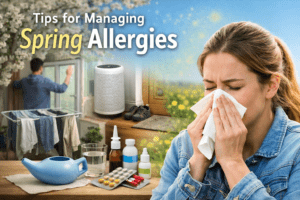
Spring allergy relief tips in action

Tips for Managing Spring Allergies: How to Reduce Symptoms and Find Relief
April 15, 2026/in News

Spring allergy relief tips in actionSpring brings warmer weather, blooming flowers, and longer days. But for millions of people, it also signals the start of seasonal allergy symptoms. If you find yourself sneezing, congested, or dealing with itchy eyes, you are not alone. According to the Centers for Disease Control and Prevention, allergies affect roughly one in three adults in the United States, making them one of the most common chronic conditions.

This guide answers a common patient question: What are the best tips for managing spring allergies and reducing symptoms? Below, you will find practical, evidence based strategies to help you feel better throughout allergy season.

What Exactly Are Spring Allergies?

Spring allergies, also known as seasonal allergic rhinitis, occur when your immune system overreacts to airborne allergens such as pollen. Trees, grasses, and flowers release pollen into the air as part of their reproductive cycle, and your body may mistakenly treat these particles as harmful invaders.

When exposed, your immune system releases histamines, leading to common symptoms such as:

  • Sneezing
  • Runny or congested nose
  • Itchy or watery eyes
  • Scratchy throat
  • Skin rashes in some cases

The American College of Allergy, Asthma & Immunology explains that pollen is one of the most common seasonal allergy triggers, especially during the spring months when plant growth peaks.

How Long Do Spring Allergies Last?

Spring allergies typically begin as early as February and can last through early summer. The exact timing depends on your geographic location and local pollen levels.

In many parts of the United States, May is often the most intense month for allergy sufferers because multiple plants are pollinating at the same time. Warmer temperatures and windy conditions can also increase pollen circulation, worsening symptoms.

Why Managing Spring Allergies Matters

Seasonal allergies are more than just a nuisance. They can interfere with sleep, reduce productivity, and impact your overall quality of life. Untreated allergies may also contribute to complications such as sinus infections or worsen asthma symptoms.

The good news is that with the right approach, managing spring allergies is possible through a combination of lifestyle changes and medical treatment.

6 Proven Tips for Managing Spring Allergies

  1. Stay Indoors During Peak Pollen Hours

One of the most effective tips for managing spring allergies is limiting exposure to pollen. Pollen levels are typically highest in the early morning and on dry, windy days.

To reduce symptoms:

  • Check daily pollen forecasts
  • Plan outdoor activities for late afternoon or after rain
  • Keep windows closed during high pollen days

By minimizing exposure, you reduce the amount of allergens entering your body and triggering symptoms.

  1. Dry Your Clothes Indoors

While air drying clothes outdoors may seem appealing, it can worsen allergy symptoms. Fabrics easily collect pollen, which is then brought indoors.

Instead:

  • Use a dryer during peak allergy season
  • Avoid placing bedding or towels outside
  • Change clothes after spending time outdoors

This simple habit can significantly reduce indoor allergen exposure.

  1. Use HEPA Filters to Improve Indoor Air Quality

Indoor allergens such as dust mites, pet dander, and mold can compound seasonal allergies. High Efficiency Particulate Air filters help trap microscopic particles and improve air quality.

Consider:

  • Using a HEPA air purifier in bedrooms and living spaces
  • Choosing vacuums with HEPA filtration
  • Replacing HVAC filters regularly

Cleaner indoor air can make a noticeable difference in symptom control.

  1. Remove Your Shoes at the Door

Pollen can easily be tracked into your home on shoes. Once inside, it settles on floors, carpets, and furniture.

To reduce contamination:

  • Leave shoes at the entrance
  • Encourage guests to do the same
  • Clean floors frequently during allergy season

This practice helps create a low allergen environment indoors.

  1. Try Natural and Supportive Allergy Solutions

Several natural strategies can complement medical treatment and help manage symptoms:

  • Nasal irrigation with saline rinses to flush out pollen
  • Staying hydrated to keep nasal passages moist
  • Eating a balanced diet rich in antioxidants
  • Managing stress, which can impact immune response

These approaches support your body and may reduce symptom severity over time.

  1. Talk to a Healthcare Provider About Medications

If lifestyle changes are not enough, medications can provide effective relief. Common options include:

  • Oral antihistamines
  • Nasal corticosteroid sprays
  • Antihistamine eye drops
  • Nasal antihistamines
  • Oral leukotriene blockers

A healthcare provider can recommend the best treatment plan based on your symptoms and medical history.

For personalized care and long term relief options, consider visiting Vallen Allergy & Asthma or exploring resources from New England Food Allergy Treatment Center.

When to Seek Medical Attention

While most seasonal allergies can be managed at home, you should seek medical care if you experience:

  • Severe or persistent symptoms
  • Difficulty breathing or wheezing
  • Symptoms that interfere with daily life
  • Poor response to over the counter medications

An allergy specialist can perform testing and discuss advanced treatments such as immunotherapy.

Additional Resources and Support

If you are looking for more guidance on managing allergies and improving your quality of life, explore these trusted resources:

  • Visit New England Food Allergy Treatment Center for education and treatment options
  • Learn more or schedule care at Vallen Allergy & Asthma

Both organizations provide expert support, patient education, and personalized care plans to help you manage allergies effectively.

Final Thoughts on Managing Spring Allergies

Spring allergies can be frustrating, but they do not have to control your life. By following these tips for managing spring allergies, you can significantly reduce symptoms and improve your day to day comfort.

Start by limiting pollen exposure, improving indoor air quality, and adopting simple habits like removing shoes and drying clothes indoors. If needed, consult a healthcare provider for medical treatment tailored to your needs.

With the right combination of prevention and care, you can enjoy the beauty of spring without the discomfort of seasonal allergies.

Sources

Centers for Disease Control and Prevention

American College of Allergy, Asthma & Immunology
FPIES in infants triggers and care

A Parent’s Question: Why Is My Baby Vomiting Hours After Eating?

April 1, 2026/in News

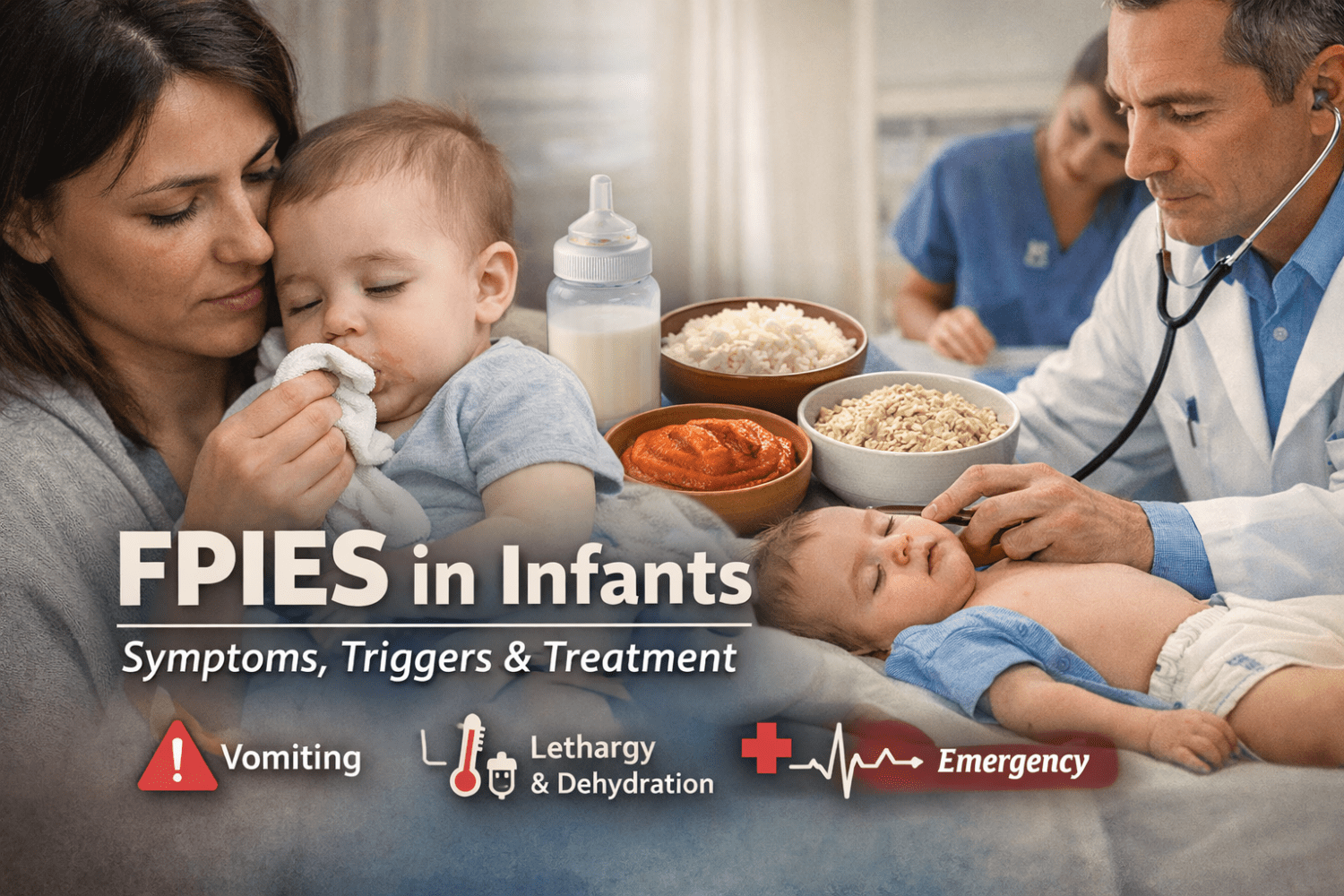
FPIES in infants triggers and careIf your baby seems fine during feeding but begins repeated vomiting one to four hours later, you may be asking an important question: Could this be a food allergy?

One possible cause is Food Protein Induced Enterocolitis Syndrome, commonly known as FPIES. This is a non IgE mediated food allergy that primarily affects infants and young children and often presents in a way that can be confusing and concerning for families.

This guide explains what FPIES is, how to recognize symptoms, what foods commonly trigger reactions, and how to manage it safely.

What Is FPIES?

FPIES is a non IgE mediated, cell mediated gastrointestinal food allergy. Unlike typical food allergies that cause immediate symptoms such as hives or breathing difficulty, FPIES reactions are delayed and primarily affect the digestive system.

Symptoms typically begin one to four hours after ingestion of a trigger food and can range from mild to severe.

According to the American Academy of Allergy, Asthma and Immunology, FPIES is a recognized form of food allergy that requires careful diagnosis based on clinical history because there are no specific laboratory tests available to confirm it.

Common FPIES Symptoms in Infants

infant fries symptoms

The hallmark symptom of acute FPIES is repetitive vomiting that begins one to four hours after eating a trigger food. However, symptoms can vary in severity.

Mild Symptoms

  1. One to three episodes of vomiting
  2. Mild diarrhea
  3. Temporary fussiness

Moderate Symptoms

  1. Repetitive vomiting
  2. More significant diarrhea
  3. Noticeable lethargy
  4. Reduced activity

Severe Symptoms

  1. Persistent vomiting
  2. Severe lethargy or limpness
  3. Pale or gray skin tone
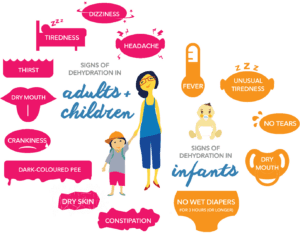
  4. Signs of dehydration
  5. Hypovolemia or shock in rare but serious cases

Severe reactions require immediate medical attention. Parents should call 911 if symptoms include extreme lethargy or signs of shock.

Common FPIES Food Triggers

FPIES can be triggered by a wide range of foods. Some infants react to only one food, while others may have multiple triggers.

Most Common Triggers

  1. Cow milk
  2. Soy
  3. Rice
  4. Oats

Other Possible Triggers

  1. Egg
  2. Fruits and vegetables
  3. Poultry or fish
  4. Peanuts and tree nuts in some cases

Each child is unique, and identifying triggers requires careful observation and guidance from an allergy specialist.

How Is FPIES Diagnosed?

Unlike IgE mediated food allergies, there is no specific blood test or skin test that confirms FPIES. Diagnosis is based on a detailed medical history and symptom pattern.

Clinicians look for:

  1. Repetitive vomiting 1 to 4 hours after eating
  2. Absence of immediate allergic symptoms such as hives
  3. Resolution of symptoms when the trigger food is avoided

In some cases, an oral food challenge may be performed under medical supervision to confirm the diagnosis.

When Is Allergy Testing Helpful?

Skin or blood testing may still be recommended in certain situations:

  1. Children with moderate to severe eczema
  2. Suspected allergy to egg, milk, peanut, tree nuts, or sesame
  3. Children with known IgE mediated food allergies to other foods

This helps assess the risk of immediate allergic reactions, which can sometimes coexist with FPIES.

Understanding FPIES Phenotypes

FPIES can present in different patterns:

Infantile Onset

Most cases begin in infancy, often when formula or solid foods are introduced.

Acute FPIES

Symptoms occur after intermittent ingestion of a trigger food.

Chronic or Acute on Chronic FPIES

Occurs with frequent exposure to a trigger food, leading to ongoing symptoms.

Atypical FPIES

Some children develop IgE sensitization to the same food. This occurs in a minority of cases and does not clearly predict long term outcomes.

Research shows that sensitization rates vary by food type, with higher rates seen in egg, milk, and nuts compared to grains, fruits, and vegetables.

infant being fed

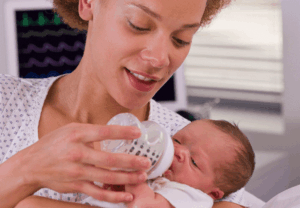
Managing FPIES focuses on avoiding trigger foods and responding appropriately to reactions.

At Home for Mild Symptoms

  1. Use anti-nausea medication if prescribed
  2. Wait about 20 minutes after vomiting before offering fluids
  3. Monitor closely for signs of dehydration

When to Seek Medical Care

  1. Repetitive vomiting or worsening symptoms
  2. Moderate lethargy
  3. Inability to keep fluids down

Emergency Care for Severe Symptoms

  1. Call 911 immediately
  2. Seek urgent care for lethargy, dehydration, or shock

Intravenous fluids and medications may be required in severe cases.

Can Children Outgrow FPIES?

The outlook for FPIES is generally favorable. Many children outgrow the condition during early childhood.

Studies from the National Institute of Allergy and Infectious Diseases indicate that tolerance often develops over time, especially for common triggers like milk and soy.

Some children with mild milk or egg FPIES may tolerate these foods when baked. In carefully selected cases, gradual reintroduction at home may be considered under guidance from a specialist.

Is There a Risk of Developing Other Food Allergies?

A small percentage of children with FPIES may develop IgE mediated food allergies. However, research shows that:

  1. The rate of IgE sensitization in FPIES is relatively low
  2. There is no clear link between sensitization and persistence of FPIES
  3. Switching from FPIES to classic food allergy is uncommon

Close monitoring by an allergy specialist helps guide safe dietary progression.

When Should You See an Allergy Specialist?

If your child has repeated vomiting episodes after eating or has been diagnosed with FPIES, specialist care is important.

An experienced allergy team can:

  1. Confirm the diagnosis
  2. Identify trigger foods
  3. Create a safe feeding plan
  4. Guide food reintroduction

For expert care and support, visit www.vallenallergyasthma.com

For education and advocacy resources, visit www.nefoodallergy.org

Key Takeaways for Parents

  1. FPIES is a non IgE mediated food allergy that affects the gastrointestinal system
  2. Symptoms are delayed and often include repetitive vomiting 1 to 4 hours after eating
  3. Common triggers include milk, soy, rice, and oats
  4. Diagnosis is based on history rather than lab testing
  5. Most children outgrow FPIES with proper management
  6. Severe symptoms require immediate medical attention

How To Take Action

If your child is experiencing unexplained vomiting after meals or has been diagnosed with FPIES, early evaluation can make a significant difference in safety and quality of life.

Schedule a consultation with an allergy specialist today at www.vallenallergyasthma.com

Learn more about food allergy education and family support at www.nefoodallergy.org

References

  1. American Academy of Allergy, Asthma and Immunology. Food Protein Induced Enterocolitis Syndrome guidelines
  2. National Institute of Allergy and Infectious Diseases. Food allergy research and clinical guidance
  3. Nowak-Wegrzyn A et al. International consensus guidelines for the diagnosis and management of FPIES. Journal of Allergy and Clinical Immunology
  4. American College of Allergy, Asthma and Immunology. FPIES overview and patient guidance

Working Hours

Monday 9:00am - 5:00pm
(Injections 9:30am - 11:45am & 1:00pm - 4:30pm)
Tuesday 9:00am - 4:30pm
(Injections 1:00pm - 4:30pm)
Wednesday 9:00am - 7:30pm
(Injections 1:00pm - 6:45pm)
Thursday 9:00am - 4:30pm
(Injections 9:00am - 11:45am)
Friday 9:30am - 12:30pm
Saturday CLOSED
Sunday CLOSED

Vallen Allergy & Asthma, PC, is a leading allergy and asthma specialty practice in Quincy, MA.

For over 32 years, the office has been serving children and adults in southern and southeastern Massachusetts.

ABOUT VALLEN ALLERGY & ASTHMA

700 Congress St, Suite 301

Quincy, MA 02169

Phone : 617.472.7111
Fax : 617.376.2344

Opening Hours

Monday 9:00 am – 5:00 pm
Tuesday 9:00 am – 4:30 pm
Wednesday 9:00 am – 7:30 pm
Thursday 9:00 am – 4:30 pm
Friday 9:30 am – 12:30 pm
Saturday CLOSED
Sunday CLOSED
Copyright © 2025 - Vallen Allergy & Asthma CenterPatient PolicyPrivacy Policy
  • Facebook
  • Instagram
Scroll to top